My Parents Exploded After I Didn’t Tell Them About My Baby Right Away — Now My Dad Says He’s “Done” With Me
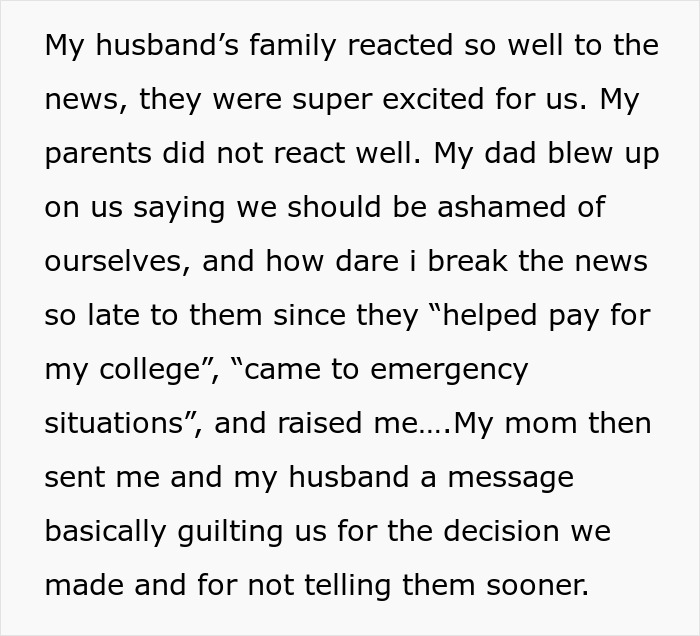
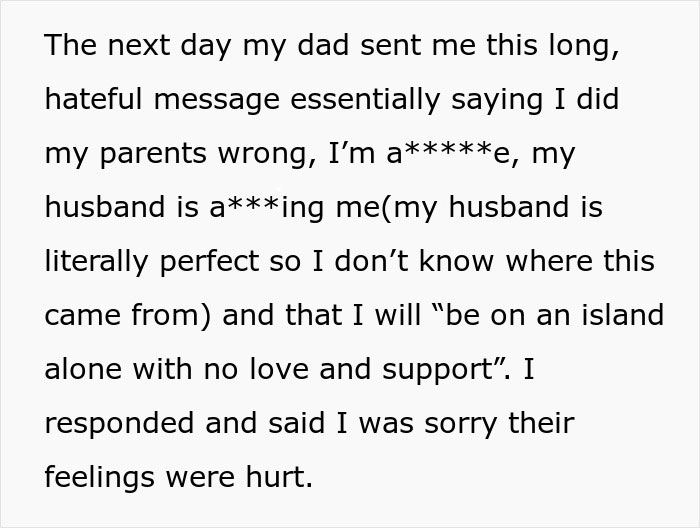
A woman who had just gone through a long labor ending in an emergency c-section thought the hardest part of becoming a parent was already behind her. She and her husband made one simple decision before delivery: keep the birth private and avoid hospital visitors so they could focus on recovery, bonding, and reducing stress during such an emotional moment. They waited about 24 hours before telling family the baby had arrived, mostly because they were exhausted and wanted peace. Her husband’s family reacted with excitement and love. Her own parents, though, completely spiraled. Her father accused her of being selfish, abusive, and controlled by her husband. He even claimed she was cutting herself off from love and support forever. Instead of asking how she or the baby were doing, he turned the entire moment into a punishment over not getting immediate access. Now, weeks postpartum, she’s left trying to figure out whether she actually did something wrong or whether this is just another example of toxic family dynamics and emotional manipulation disguised as “concern.”
What makes this story hit so hard is that this wasn’t even about the baby. Not really. It was about control, entitlement, and access. And honestly, that’s why so many people online immediately recognized what was happening here.
A lot of new parents today are choosing private births, delayed announcements, and stricter family boundaries after childbirth. It’s becoming extremely common, especially because postpartum recovery is physically brutal and emotionally overwhelming. Doctors and mental health experts constantly talk about how important stress reduction is during the postpartum period. Recovery after a c-section alone can take weeks or months. Add sleep deprivation, hormones crashing, pain, breastfeeding struggles, anxiety, and suddenly even sending a text feels exhausting.
But some family members, especially parents who struggle with boundaries, see those choices as personal rejection instead of normal adult independence.
That seems to be exactly what happened here.
The biggest red flag in the father’s reaction is how quickly he shifted from being hurt to becoming cruel and threatening. Healthy parents might feel disappointed they weren’t told sooner. That’s human. But emotionally healthy people usually process that disappointment without attacking their child’s marriage, character, or mental state.
Instead, he immediately pulled out guilt statements:
- “We paid for your college.”
- “We raised you.”
- “We helped you in emergencies.”
That kind of language matters because it turns parenting into a transactional debt. Basically: because we did things parents are supposed to do, you now owe us unlimited emotional access forever.
That’s not support. That’s emotional leverage.
And honestly, a lot of adult children don’t recognize this dynamic until they start setting boundaries around major life events like weddings, births, or raising kids. Suddenly the family system changes. Parents who were used to being central figures realize they no longer have control, and some react very badly to that loss of control.
The accusation that the husband is “abusive” also follows a really common pattern in toxic family systems. When an adult child starts making independent choices, controlling parents often assume someone else must be influencing them because they cannot accept that their child simply disagrees with them.
It’s easier for them to believe:
“He’s controlling you.”
Instead of:
“You made a choice I don’t like.”
That distinction is huge.
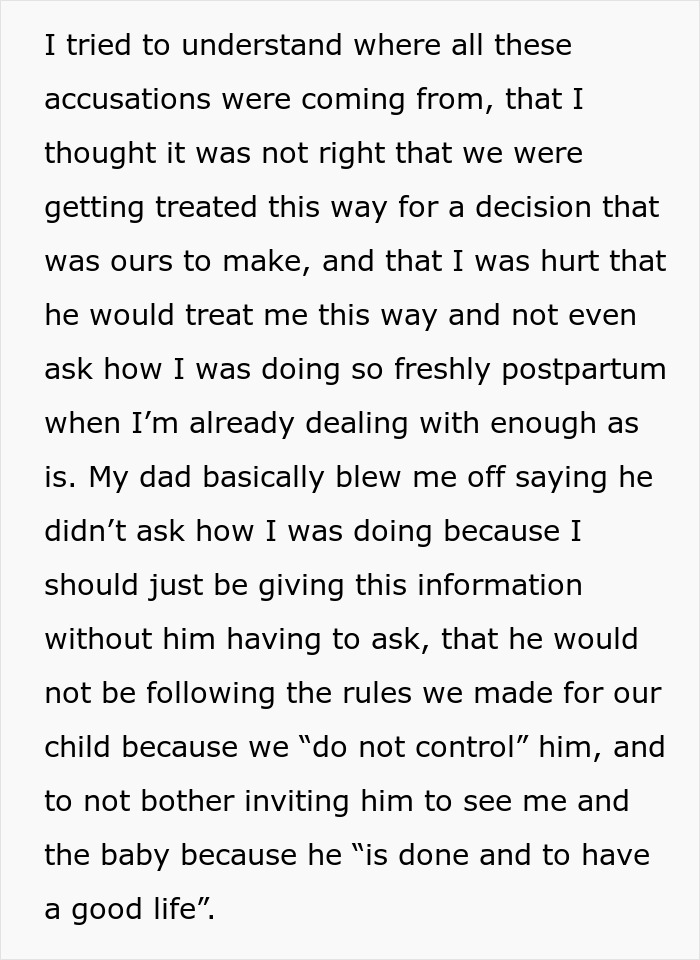
And the part where the father said he would not follow the rules for the child because “you do not control me”? That’s honestly one of the most revealing parts of the entire story.
Because newborn boundaries are not about control. They’re about safety, respect, and trust.
Parents make rules all the time:
- wash hands before holding the baby
- no kissing the newborn
- no surprise visits
- vaccines required
- don’t post pictures online
- give mom space while recovering
These are incredibly normal modern parenting boundaries. Anyone who instantly reacts with rage over basic boundaries usually isn’t upset about the rule itself. They’re upset that someone else has authority now.
That’s the emotional shift some grandparents struggle with:
they are no longer the decision-makers.
And sadly, instead of adapting to the new family structure, some escalate emotionally to regain power.
Another important thing here is timing.
This happened immediately postpartum.
That’s what makes the father’s response feel especially disturbing to so many readers. Most people, even after arguments, still check whether the mother and baby are okay. But according to her, he openly admitted he didn’t even ask how she was doing because he felt entitled to information automatically.
That says a lot.
His focus wasn’t:
“Are you safe?”
It was:
“You hurt my feelings.”
There’s a massive difference.
Postpartum mental health is already fragile for many women. Research on postpartum depression and postpartum anxiety consistently shows that emotional stress, family conflict, and lack of support can significantly affect recovery. And emotional abuse during postpartum periods can feel even more intense because new mothers are physically vulnerable and emotionally exhausted.
Which is why so many commenters likely told her this behavior wasn’t normal.
Because it isn’t.
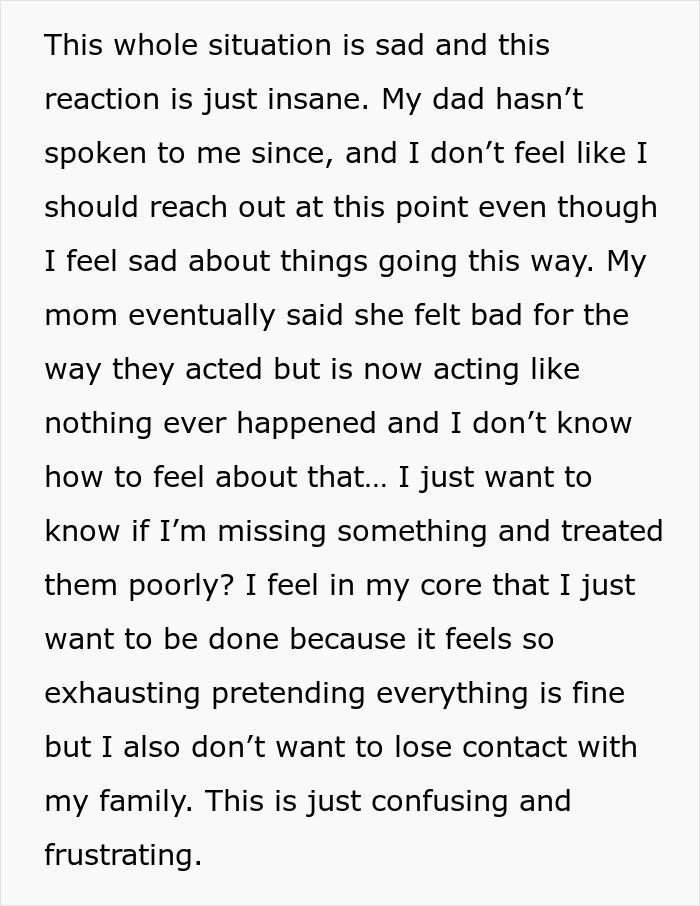
The mother’s reaction is also interesting. She eventually apologized for their behavior but then immediately acted like nothing happened. That’s another dynamic people from emotionally difficult families recognize quickly: conflict gets buried instead of resolved.
No accountability.
No real conversation.
No repair.
Just:
“Let’s move on and pretend it didn’t happen.”
But the problem with that approach is that the emotional damage doesn’t disappear just because everyone stops talking about it.
And honestly, that’s probably why the daughter feels so emotionally torn right now. She doesn’t necessarily want permanent estrangement from her parents. Most people don’t. Even after awful fights, people still grieve the idea of losing family relationships.
But at the same time, once someone attacks you during one of the most vulnerable moments of your life, it changes how safe the relationship feels forever.
That trust break is hard to undo.
Especially because the father never actually apologized. He doubled down repeatedly. He insulted her husband. Threatened the relationship. Declared himself “done.” Refused boundaries. Then disappeared.
That’s emotionally devastating, especially right after childbirth.
And here’s the thing a lot of adult children eventually realize: setting boundaries is not abuse.
Wanting privacy during labor is not abuse.
Waiting 24 hours to announce a birth is not abuse.
Needing space after major surgery is not abuse.
Those are normal adult decisions.
Parents are allowed to feel hurt.
But hurt feelings do not justify emotional punishment.
At the center of this entire situation is one painful reality: some parents see boundaries as betrayal because boundaries remove access they assumed they were entitled to forever.
And now this new mother is stuck in the middle of two painful truths:
she loves her family,
but she also sees how exhausting and emotionally unsafe these dynamics have become.
That’s the part many people relate to most. Not the hospital decision itself, but the realization that becoming a parent sometimes forces you to finally see unhealthy family patterns clearly for the first time.
And once you see them, it’s really hard to unsee them.