My MIL Secretly Opened a Credit Card in My Husband’s Name — Then Blew $10K on Disney and Shopping
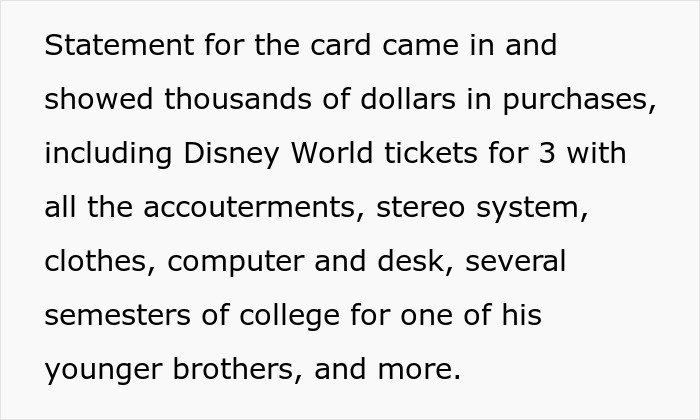
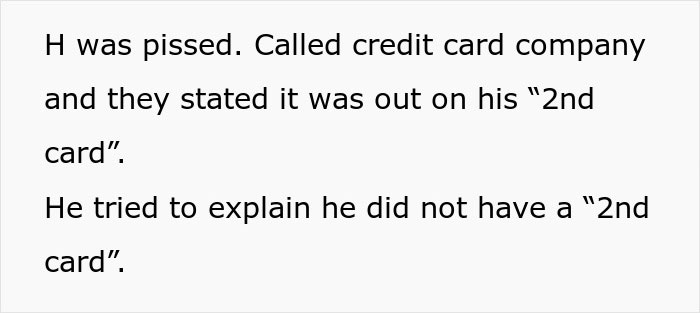
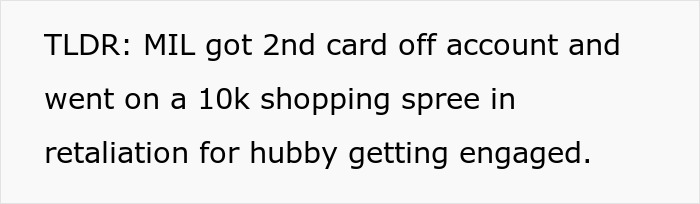
Right before their wedding, first baby, and buying a house, this couple thought they were finally getting their lives together financially. The husband had carefully paid off his emergency credit card so they’d have a safety net for the future. But when a statement arrived showing thousands of dollars in charges for Disney World tickets, electronics, college tuition, and shopping sprees, they realized something was seriously wrong. Turns out, his mother had secretly intercepted his credit card application, added herself as an authorized user without permission, and went wild spending money she absolutely did not have. When confronted, she didn’t apologize — she actually complained that he “ruined” her plans by catching her too early. What followed was years of resentment, financial damage, and one of the most outrageous examples of family entitlement imaginable.






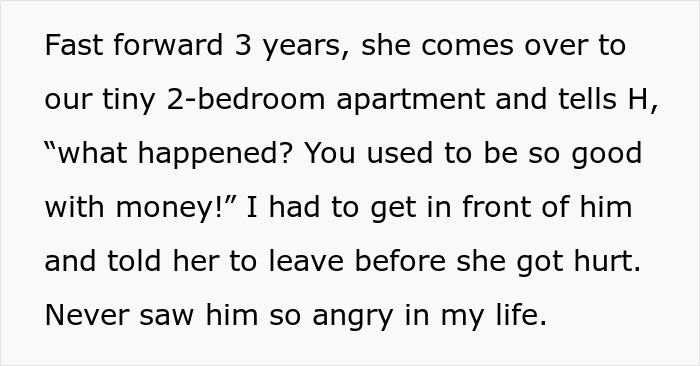
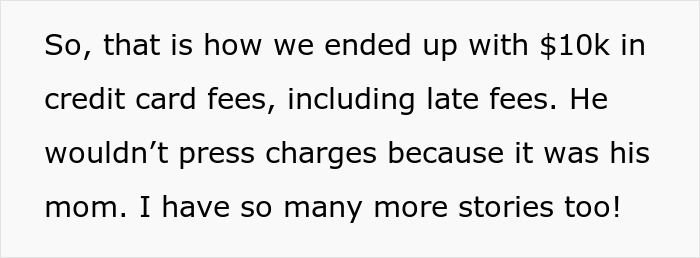
This story honestly sounds fake at first because the level of entitlement is so wild, but sadly, financial abuse inside families happens way more often than people realize. And in this situation, the biggest issue wasn’t even the Disney trip or the shopping spree. It was the fact that the mother-in-law clearly believed she was entitled to her adult son’s money simply because she raised him.
That mindset runs through this entire story.
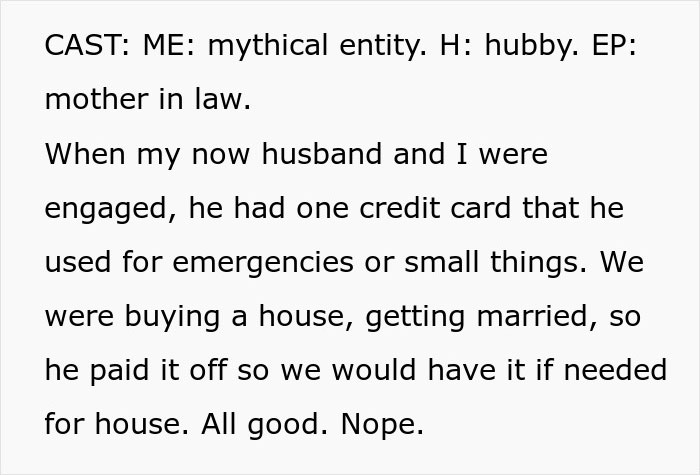
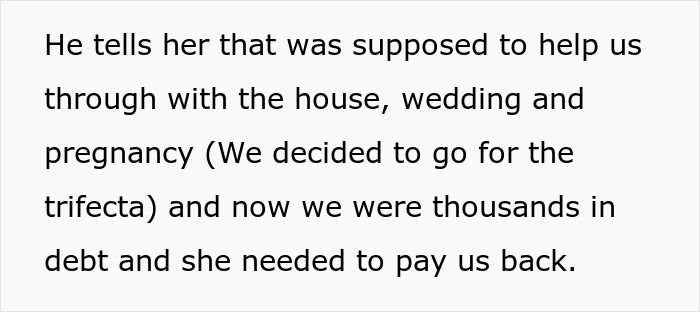
At the time all this happened, the couple was already under huge financial pressure. They were planning a wedding, buying a house, and expecting a baby basically all at once. Anyone who’s ever dealt with mortgage approvals, wedding expenses, or pregnancy costs knows how stressful that combination is. That emergency credit card wasn’t for luxury purchases. It was supposed to be a backup for real-life emergencies and unexpected costs during a major life transition.
Instead, his mother saw it as an opportunity.
And what makes it worse is how calculated the whole thing was.
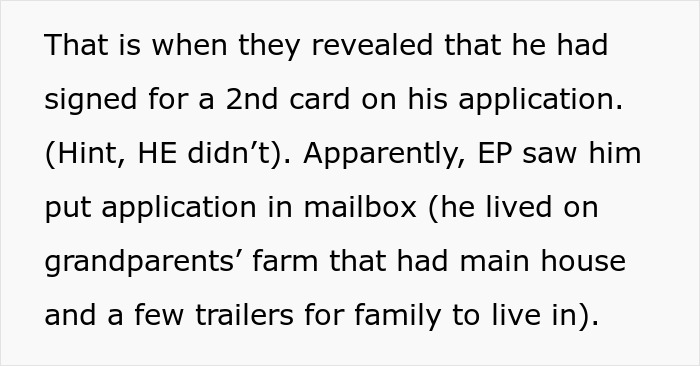
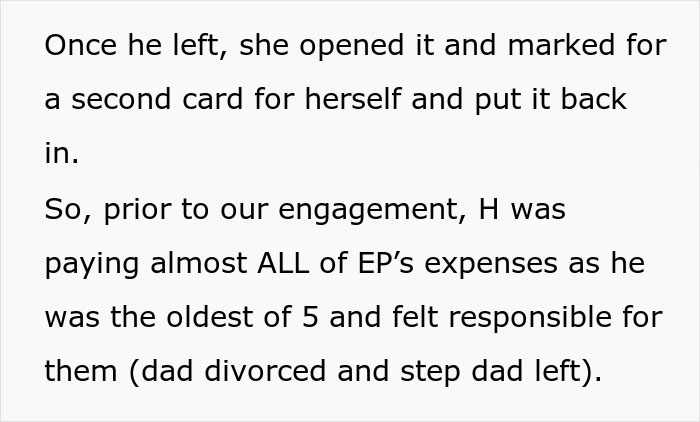
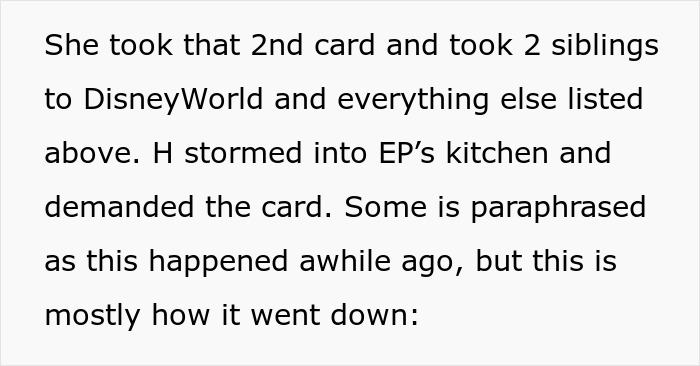
According to the story, she literally watched for the credit card application, opened his mail, altered the paperwork, requested a second card for herself, and mailed it back before anyone noticed. That’s not accidental misuse. That’s intentional credit card fraud. Plain and simple.
A lot of people online immediately focused on one thing:
she committed multiple crimes and somehow still acted like the victim.
That’s what makes this kind of family drama so emotionally exhausting. People who behave this way almost never see themselves as wrong. In their mind, they’re “owed” support, money, loyalty, or access because they’re family.
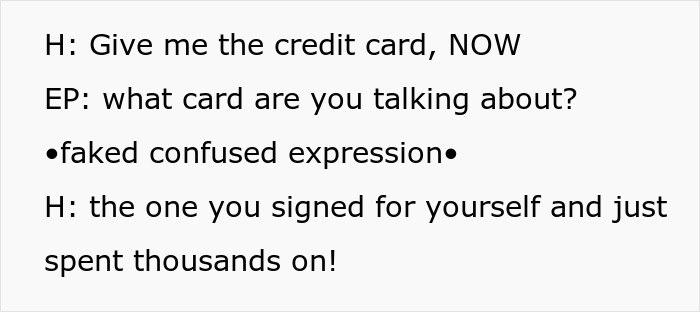
And honestly, the mother-in-law’s reaction when confronted says everything.
Instead of panic or guilt, she immediately tried manipulation:
“Oh, I was going to give it to you for your birthday.”
Which obviously made zero sense because she had already spent thousands of dollars on herself.
That response feels less like an excuse and more like she simply expected him to tolerate it.
And sadly, he probably had tolerated similar behavior for years.
The story explains that before getting engaged, the husband was already paying most of his mother’s bills because he felt responsible as the oldest sibling. That’s another dynamic a lot of people from dysfunctional families recognize immediately. Oldest children, especially oldest sons, often get pushed into “parentified” roles where they become financially or emotionally responsible for the entire household.
Over time, guilt becomes normal.
The child starts feeling like:
“If I stop helping, the family falls apart.”
That pressure can last decades.
But engagement, marriage, and children usually force a turning point. Once someone starts building their own family, priorities naturally shift. Bills increase. Responsibilities change. Boundaries become necessary.
And that’s exactly where the conflict exploded.
The mother-in-law didn’t just lose financial support. She lost control over someone she depended on emotionally and financially. For some parents, especially entitled or narcissistic ones, that transition feels threatening. They see a spouse or partner as “taking away” their child instead of recognizing that adulthood naturally changes family roles.
That’s probably why her spending spree feels almost retaliatory.
The timing wasn’t random.
Right when he stopped financially supporting her because he needed to care for his fiancée and future child, she suddenly racks up $10,000 in debt under his name. Disney vacations, electronics, tuition payments, clothes — these weren’t survival purchases. They were emotional spending decisions made by someone angry about losing access to money.
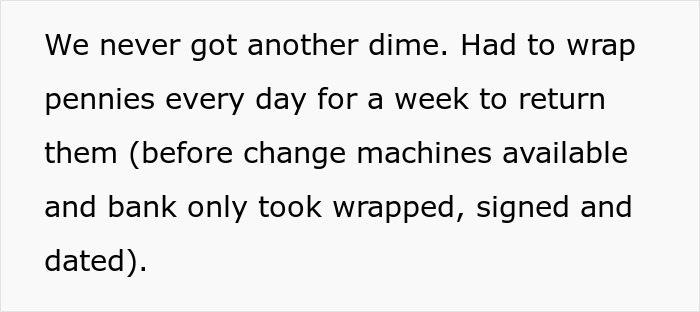
And then came the loose pennies.
Honestly, that detail alone tells people everything they need to know about her personality.
She didn’t just refuse repayment. She intentionally humiliated them.
Making them wrap pennies by hand to deposit at the bank wasn’t about money. It was about punishment. It was her way of saying:
“If you’re going to hold me accountable, I’ll make this as miserable as possible.”
That kind of passive-aggressive revenge is extremely common in toxic family dynamics. Instead of direct accountability, the person creates chaos, inconvenience, or emotional stress so everyone eventually gives up trying to enforce boundaries.
And unfortunately, it worked.
The husband never pressed charges.
A lot of commenters probably wondered why, especially since the fraud was so obvious. But family-related financial abuse is emotionally complicated. Victims often hesitate because reporting a parent feels emotionally impossible, even when the damage is severe.
People outside the situation usually think:
“I’d call the police immediately.”
But real life is messier.
There’s guilt.
Fear.
Conditioning.
Family pressure.
Sibling relationships.
Emotional manipulation.
And parents who abuse finances often rely on that emotional hesitation to avoid consequences.
The saddest part is how the mother-in-law later mocked him about money years afterward. After causing massive debt during one of the hardest periods of their lives, she actually had the nerve to criticize his financial situation.
That level of denial honestly shocks people the most.
But again, it fits the pattern perfectly. People who refuse accountability often rewrite history completely. In her version of events, she probably still saw herself as the struggling mother who deserved help rather than the person who financially sabotaged her own son.
And stories like this hit such a nerve online because money issues inside families cut incredibly deep. Financial betrayal from strangers is one thing. Financial betrayal from parents feels personal in a completely different way because trust is supposed to exist there automatically.
When a parent steals from their child, it changes the relationship forever.
Not just financially.
Emotionally too.
Every future interaction gets filtered through that betrayal:
Can they be trusted?
Will they manipulate again?
Will boundaries ever matter?
Will they hurt the grandchildren financially too someday?
Those questions never fully disappear.
At the center of this story is really one painful truth:
some parents struggle to accept that their children eventually become independent adults with their own lives, priorities, and families.
And when entitlement mixes with financial desperation, jealousy, or control issues, things can spiral into behavior that feels almost unbelievable from the outside.
But for people who grew up in toxic family systems, stories like this feel painfully familiar.