AITAH for Refusing to Let My Ex Move Into My House After Ignoring Our Son for Years?
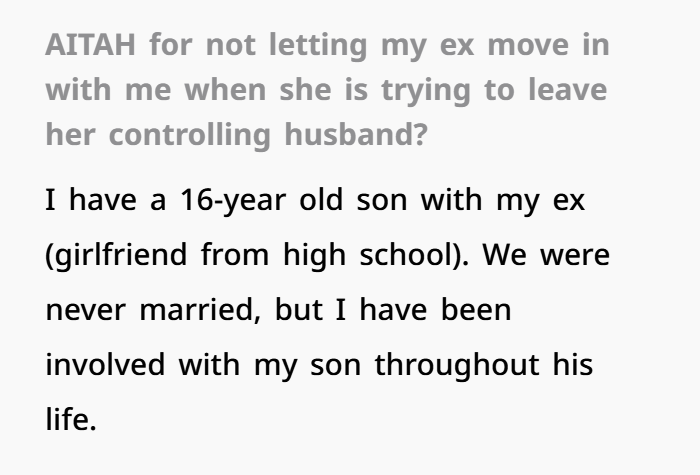
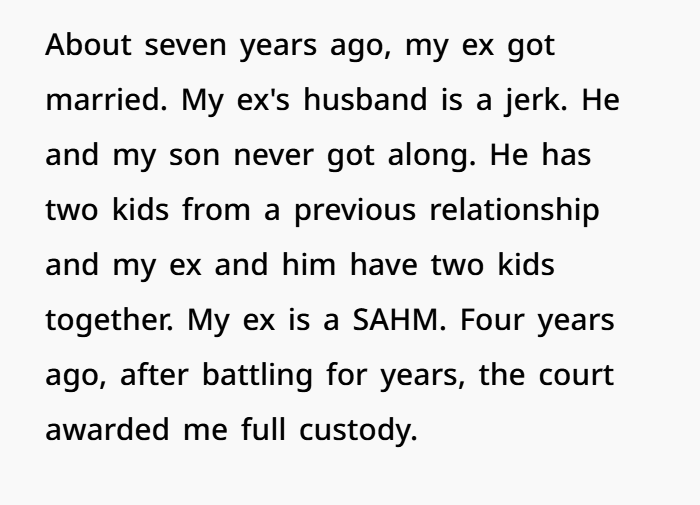
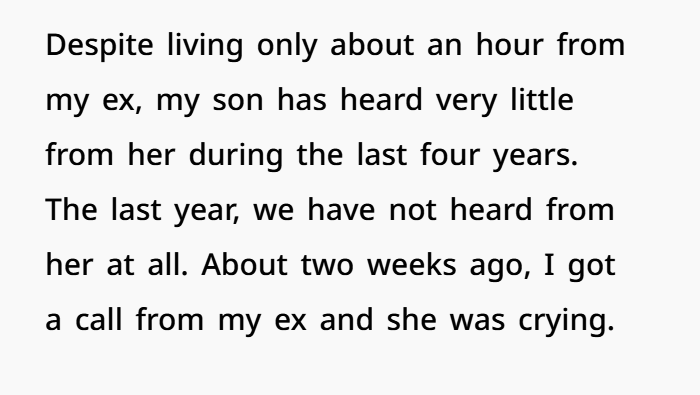
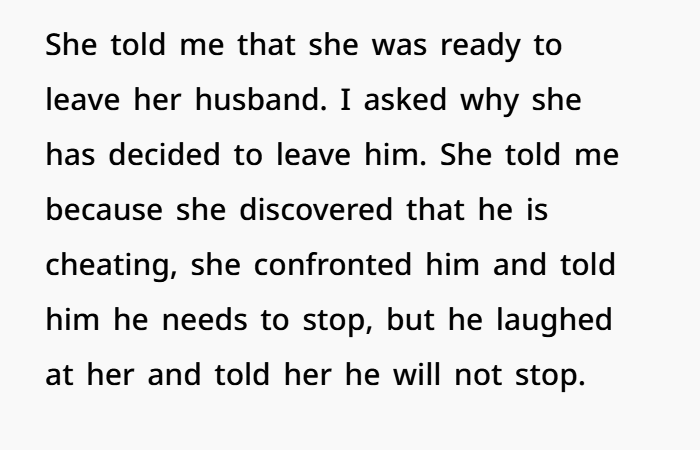
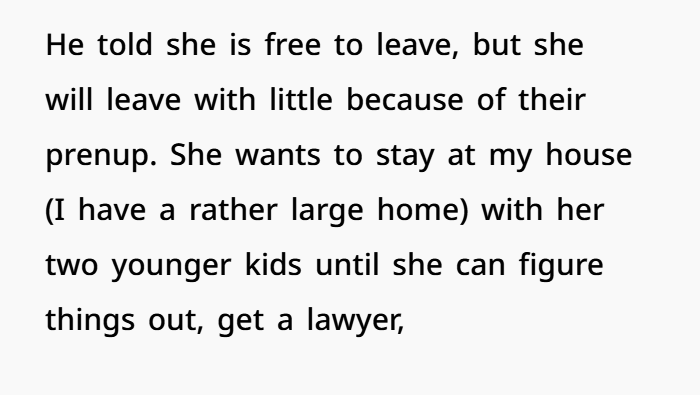
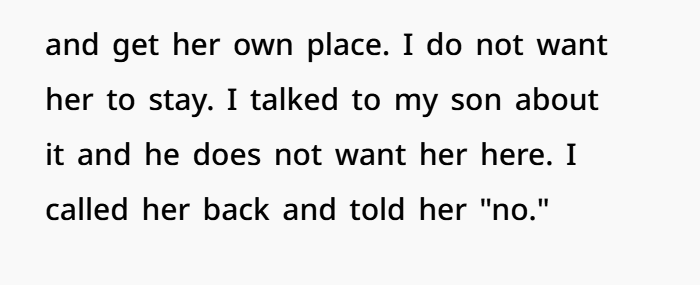
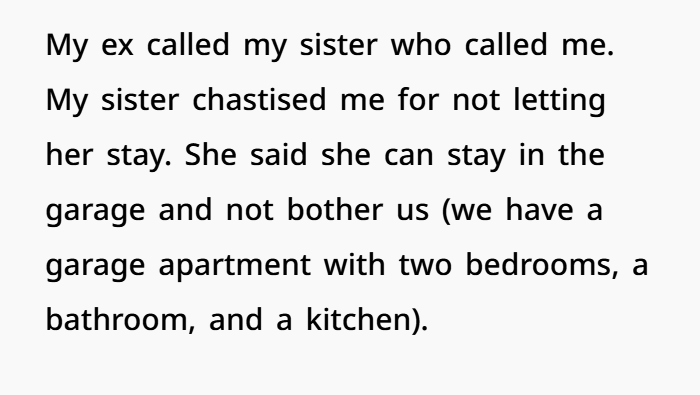
A father who has raised his teenage son largely on his own is facing a tough situation when his ex suddenly reappears asking for help. Years ago, the court awarded him full custody after ongoing issues with his ex and her new husband. Since then, contact between the mother and their son has been almost nonexistent, especially in the last year. Now she is trying to leave her controlling and cheating husband, claiming she needs a temporary place to stay with her two younger children. The father has a large home, even a separate garage apartment, but both he and his son feel strongly about protecting the peace they’ve built. When he says no, family members accuse him of being heartless, sparking a debate about parental responsibility, custody rights, unpaid child support, and personal boundaries after divorce.
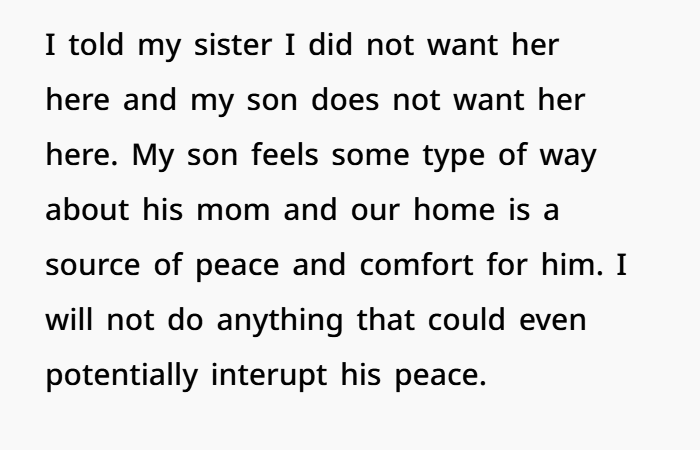
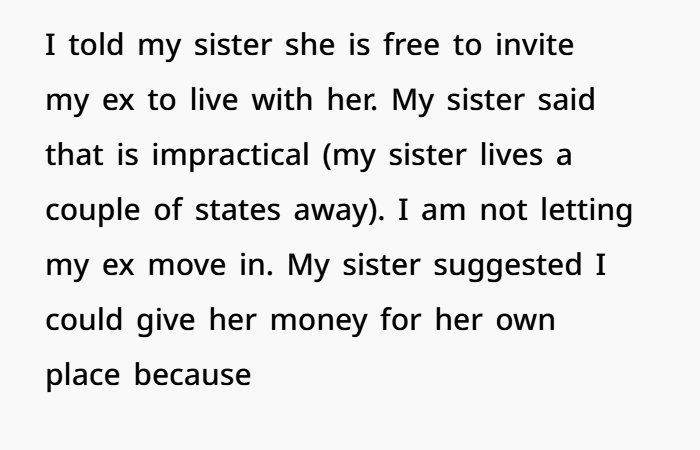
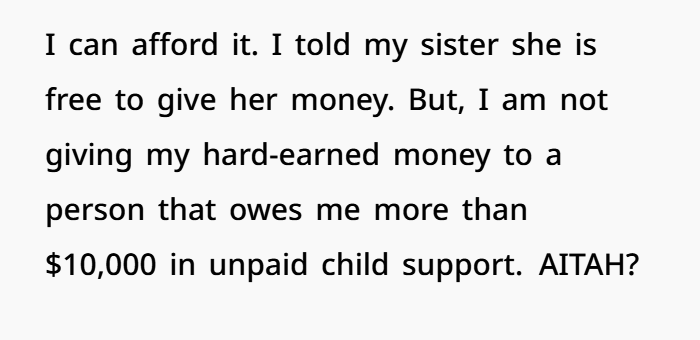
Situations like this sit right at the intersection of family law, emotional boundaries, and financial responsibility. On the surface it sounds simple: someone is leaving a bad marriage and needs help. But when you dig deeper, the layers get complicated really fast.
First there’s the history between the parents. In many custody cases, courts don’t grant full custody lightly. In the United States and many Western legal systems, judges generally prefer shared custody arrangements because they believe children benefit from having both parents involved. So when one parent receives full custody, it usually means the court found strong reasons. That might include instability in the other household, neglect, safety concerns, or consistent conflict with a stepparent.
Family law attorneys often point out that custody rulings are meant to protect the best interests of the child, not the parents. If a court decided four years ago that the father should have full custody, it suggests the environment at the mother’s home wasn’t working for the child. Once that order is in place, the custodial parent usually carries the daily responsibility for things like school, health care, emotional stability, and financial support.
And that leads to another big issue here: unpaid child support.
Child support isn’t a punishment or revenge tool. It’s supposed to help cover the cost of raising a child. Housing, school supplies, food, medical care — those things add up fast. According to multiple family law studies, raising a child to adulthood can cost hundreds of thousands of dollars. When one parent fails to pay support, the other parent often ends up covering everything.
In many jurisdictions, child support debt doesn’t disappear. It can accumulate with interest. Courts can garnish wages, seize tax refunds, suspend driver’s licenses, and even impose legal penalties if the debt becomes severe enough.
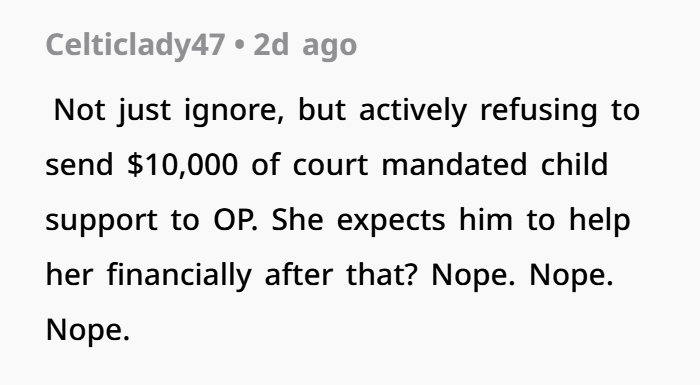
So when the father mentions that his ex owes more than $10,000 in unpaid child support, that detail matters. It shows a long-term imbalance in parental responsibility.
But the biggest factor in the story might actually be the teenager’s emotional well-being.
At sixteen, kids are old enough to have strong opinions about family relationships. Courts even consider a teenager’s preferences when deciding custody modifications. Psychologists who study family dynamics often say that stability is extremely important during adolescence. Teen years are already full of stress — school, identity, friendships, future plans.
If a parent has built a calm and predictable home environment after years of conflict, suddenly reintroducing a complicated relationship can shake that stability.

In this situation, the son apparently doesn’t want his mother living there. And that feeling might come from years of emotional distance. Imagine being a teenager who barely hears from your mom for four years, then suddenly she wants to move into your house with two younger siblings you barely know. That could feel confusing, maybe even upsetting.
There’s also the complicated role of stepfamilies in situations like this.
Blended families can be wonderful, but they can also create tension. Studies on stepfamily dynamics show that conflict often arises when children feel like a new partner is replacing a parent or changing the family hierarchy. In this story, the stepfather reportedly never got along with the son. That kind of long-term friction can push a child further away from that household.
Now add the new revelation that the husband is allegedly cheating and controlling. That introduces another serious issue: leaving a toxic or controlling marriage.
Many people who leave unhealthy marriages face financial and legal barriers. Prenuptial agreements can complicate things even more. A prenup can determine how property is divided during divorce, sometimes leaving one spouse with significantly fewer assets. That doesn’t mean someone walks away with nothing, but it can make the process slower and more stressful.
Because of this, people often look for temporary housing during divorce proceedings. Moving in with family members is actually very common during separations. Divorce lawyers frequently advise clients to find safe housing while they begin legal steps like filing for separation, hiring an attorney, and arranging custody for younger children.
But here’s the key point: help is voluntary.
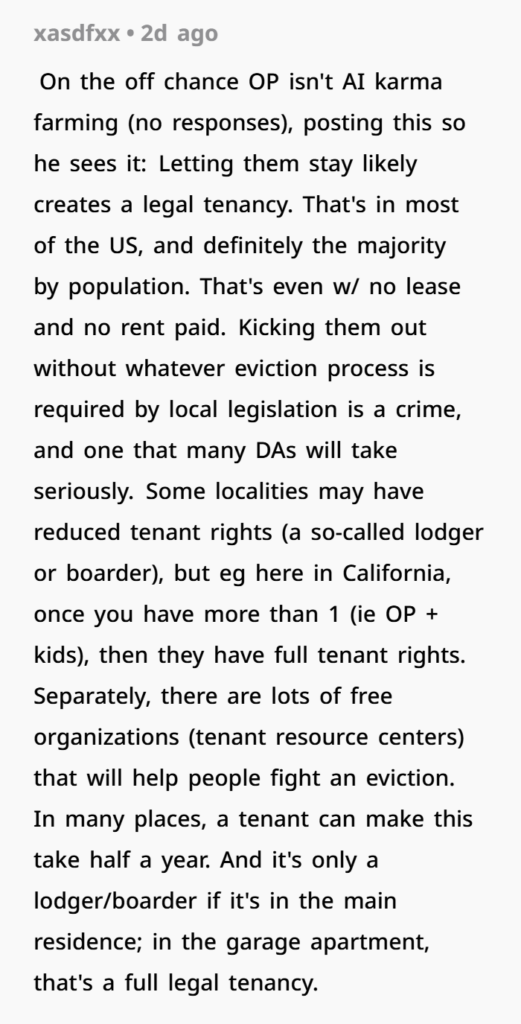
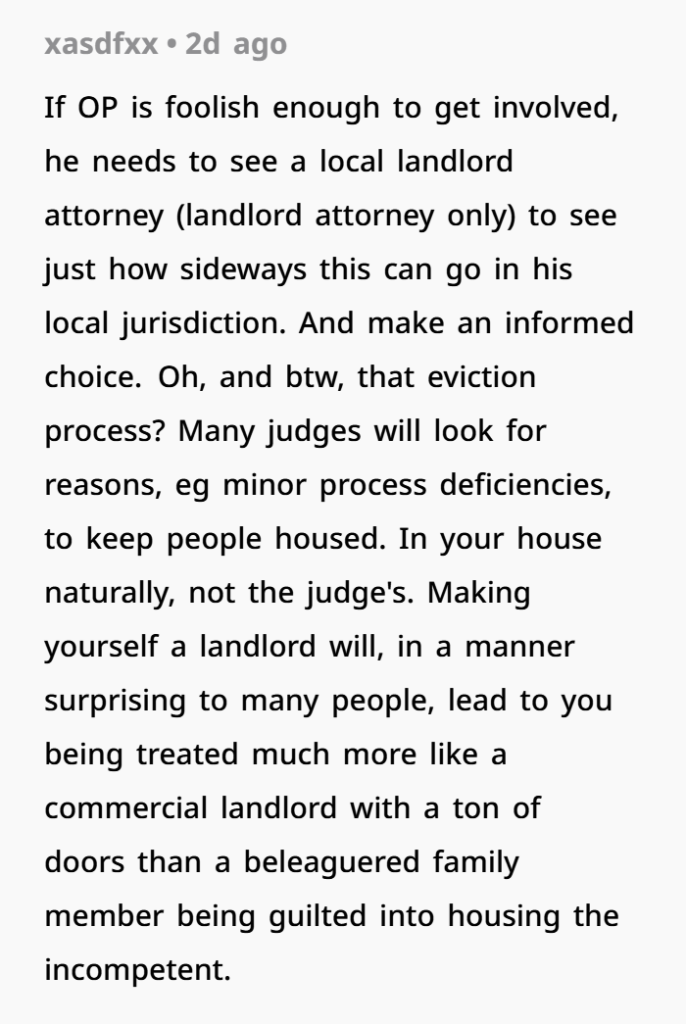
There’s no legal obligation for an ex-partner to provide housing, especially years after the relationship ended. Emotional expectations might exist, especially if children are involved, but the law doesn’t require it.
And from a personal boundaries perspective, many therapists say something similar. Helping someone shouldn’t come at the cost of harming someone else in the household. If the son views the home as a place of safety and calm, introducing someone who brings emotional baggage could change that environment.
Another layer here is the two younger children from the mother’s current marriage. They are innocent in the situation. They didn’t create the conflict. That’s why some people feel sympathy for the mother’s request. Those kids also need stability and safety.
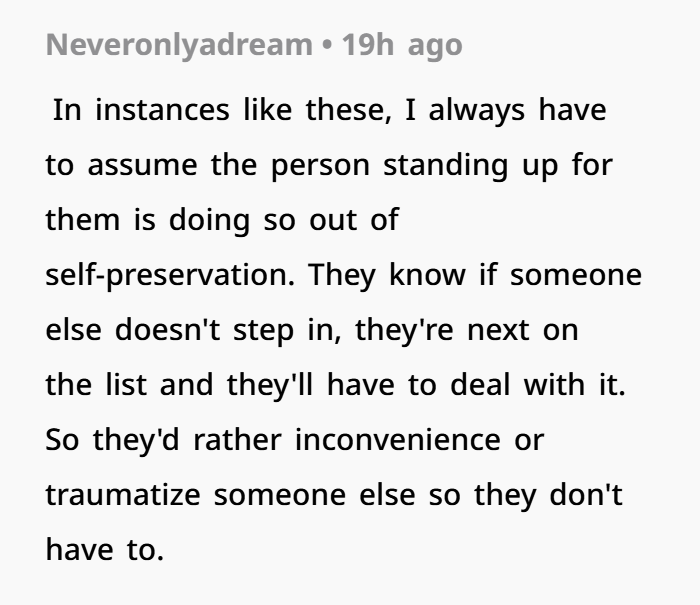
This is where moral judgment often gets divided in online discussions. Some people believe compassion should extend to the younger children. Others argue that the father’s primary responsibility is to the child already living with him.
Then there’s the sister’s suggestion about money. Financial help is sometimes easier than housing, but it still raises a fair question: should someone financially support an ex who already owes significant unpaid support?
Money between former partners can reopen old wounds fast. Financial advisors often warn that mixing family support with unresolved debts can create resentment and legal confusion.
Comments
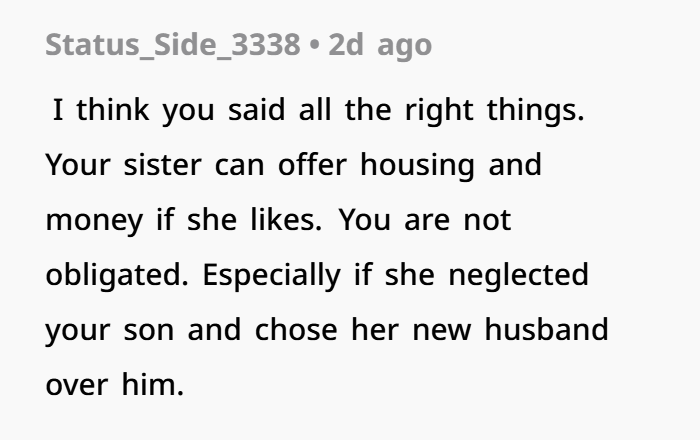

At the end of the day, the conflict in this story highlights a bigger theme that shows up in many family disputes: boundaries after separation.
Just because two people share a child doesn’t mean they remain responsible for each other forever. Co-parenting requires cooperation, but it also requires respecting the new lives each parent builds.
The father in this situation seems to be prioritizing what he believes protects his son’s emotional stability. Whether people agree with that decision or not usually depends on what they value more: helping someone in crisis or protecting the environment of a child who has already been through years of family conflict.
And honestly, that’s why stories like this blow up online. There isn’t a clean answer. Just a lot of messy human choices.