My Bridesmaid Wore Her Wedding Dress to Another Wedding Before Mine AITA for Saying No?
This situation starts with a bride who honestly tried to make wedding planning easier for everyone. Money was tight, so she found affordable bridesmaid dresses on sale and even paid for them herself, asking the bridesmaids only to cover alterations. Everyone seemed happy. The dresses looked great, the group saved money, and things were running smoothly. Then one bridesmaid, Roxy, started wearing the dress to other events months before the wedding—including a work Christmas party and several other outings. The real problem appeared when Roxy said she planned to wear the same dress to another friend’s wedding just one month before the bride’s big day, where many of the same guests would be present. The bride felt the moment of seeing the bridesmaids together at the altar should be special and not something everyone had already seen repeatedly. Roxy, however, argued that she’d already paid for alterations and was free to wear the dress whenever she wanted. Now the friend group is split between respecting wedding boundaries and questioning whether this is just unnecessary wedding stress.



Wedding planning has a funny way of turning small issues into surprisingly big debates. Search terms like wedding etiquette rules, bridesmaid dress expectations, and wedding planning boundaries with friends are extremely common online for a reason. Weddings mix money, emotions, friendships, and expectations. Even when everyone means well, things can get messy fast.
At first glance, this situation looks like a classic “bridezilla vs chill bride” argument. But if you look closer, it’s really about expectations that were never clearly spelled out.
Let’s unpack the bigger issues behind the dress drama.
1. The Bride Actually Tried to Reduce Bridesmaid Costs
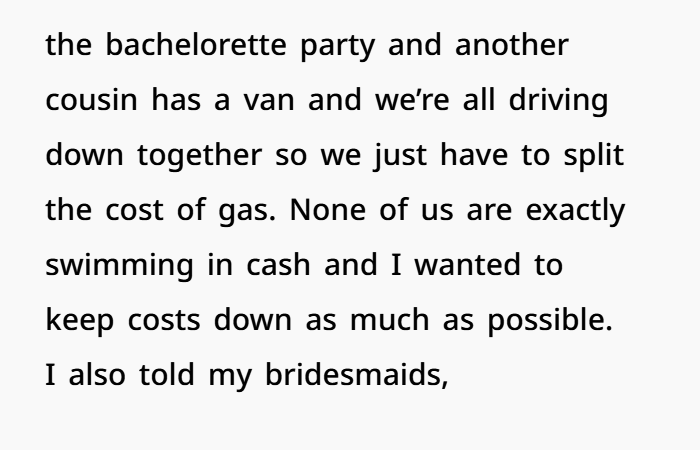
One thing that stands out immediately is that the bride made a genuine effort to keep expenses low. Anyone who has been a bridesmaid knows the costs add up quickly. Studies from wedding planning platforms like The Knot have estimated the average bridesmaid spends between $1,200 and $1,800 participating in a wedding. That includes travel, dresses, alterations, parties, and gifts.
So finding dresses on sale and paying for them herself is actually pretty generous.
The deal was simple:
- The bride buys the dress.
- Bridesmaids pay for alterations.
From a financial perspective, that’s already more relaxed than most weddings. In many cases bridesmaids buy their own dresses entirely.
Because of that, the bride probably felt some emotional ownership over the dress. Even though technically it’s clothing the bridesmaids will wear, she purchased it specifically for the wedding vision.
2. The “Wear It Again” Bridesmaid Promise
A huge selling point when choosing bridesmaid dresses is the famous phrase:
“You can totally wear it again.”
Brides say this all the time when trying to justify buying a dress for a single event. But there’s usually an unspoken assumption behind it.
Most people mean:
“You can wear it again after the wedding.”
Not before the wedding happens.
That difference might seem small, but socially it matters.
The bride pictured a first reveal moment at the ceremony. When the bridal party walks down the aisle and everyone sees the dresses together for the first time, it creates a visual impact.
If the same guests already saw the dress multiple times at random events, it does take away some of that effect.
So emotionally, the bride’s request makes sense.
But from Roxy’s perspective, the instructions were never that specific.
3. The Ownership Question
The real conflict here revolves around one simple question:
Who actually owns the dress?
Let’s break it down.
The bride paid for the dress itself.
Roxy paid for the alterations.
Alterations can actually cost a lot depending on the work required. Hemming, resizing, straps, and tailoring can easily run $40–$150 or more.
So Roxy’s argument is basically:
“I invested money in this dress too, so I should be able to wear it.”
Legally speaking, once someone receives clothing as a gift, it usually becomes their property. In social etiquette terms though, things are a bit more flexible.
Many etiquette experts say bridesmaids should avoid wearing their wedding dress to other major events before the wedding, simply out of respect for the bride’s moment.
But again, that’s an unwritten rule. Not everyone follows it.
4. Why the Second Wedding Is the Real Problem
The Christmas party annoyed the bride but she let it go.
The real trigger was the upcoming mutual friend’s wedding one month before hers.
That changes the situation a lot.
Why?
Because many of the same people will be at both weddings.
Imagine this scenario:
Guests see Roxy dancing at one wedding in the dress.
Then four weeks later they see her walking down the aisle wearing the exact same dress again.
That can make the bridesmaid outfit feel less special or coordinated.
It’s not just about fashion. It’s about the symbolism of the bridal party.
Weddings rely heavily on visual moments:
- walking down the aisle
- group photos
- the reveal of the bridal party
If the dress has already been seen repeatedly in the same social circle, the “wow” factor drops.
So the bride’s frustration is understandable.
5. Why Roxy Might Feel Defensive
On the other side, Roxy probably feels blindsided.
From her perspective:
- The bride said they could wear the dress again.
- No rules were mentioned about timing.
- She paid for alterations.
- She genuinely likes the dress.
And if she’s already worn it to multiple events without hearing complaints earlier, suddenly being told to stop might feel unfair.
Another psychological factor here is reactance. That’s when people push back harder once they feel their freedom is being restricted.
If Roxy feels like she’s being controlled over a dress she believes she partly paid for, she may double down just to defend her independence.
6. Weddings Are Emotional Pressure Cookers
Situations like this are extremely common during wedding planning. Psychologists often point out that weddings amplify stress because they combine several emotional triggers at once:
- family expectations
- financial pressure
- social comparison
- perfection anxiety
Even small disagreements can feel huge when someone has been planning a major life event for months.
The bride probably isn’t actually upset about the dress alone. It’s more about the feeling that something meaningful is being casually dismissed.
Meanwhile, Roxy might feel judged or controlled for simply liking an outfit.
Both reactions are pretty human.
7. The Unwritten Rule of Bridesmaid Etiquette
Most wedding planners and etiquette guides suggest a simple compromise rule:
Avoid wearing the bridesmaid dress publicly until after the wedding.
It’s not a strict law, just a social courtesy.
Once the wedding is over, all bets are off. Wear it to parties, dinners, other weddings, wherever.
But before the ceremony, the dress is usually treated as part of the wedding aesthetic.
The tricky part is that not everyone knows or follows that rule.
8. Could This Have Been Avoided?
Honestly, yes.
Clear expectations early on would have prevented the entire conflict.
Something as simple as saying:
“Feel free to wear the dress again after the wedding, but please don’t wear it to events before then.”
That one sentence would’ve solved the issue months ago.
Without it, everyone filled in the blanks differently.
9. So… Is the Bride the A-Hole?
From an outside perspective, most people would probably say:
No, she’s not the asshole.
She paid for the dresses, tried to keep costs down, and just wanted the first reveal of the bridesmaid look to happen at the wedding.
That’s a pretty reasonable request.
However, snapping at Roxy after the fact might have escalated the conflict.
A calmer conversation like:
“I know I said you could wear it again, but it would mean a lot if you waited until after the wedding.”
…might have landed better.
10. The Real Solution
At the end of the day, this situation doesn’t need to become a friendship-ending drama.
The easiest compromise would be:
- Roxy chooses a different dress for the upcoming wedding.
- She keeps wearing the Anthropologie dress after the bride’s wedding without restrictions.
Everyone wins.
The bride gets her special reveal moment.
Roxy still gets a dress she loves and can reuse.
And the friend group avoids turning a piece of fabric into a full-blown wedding war.