Unwanted Since Birth… So I Finally Refused to Be Their Free Babysitter
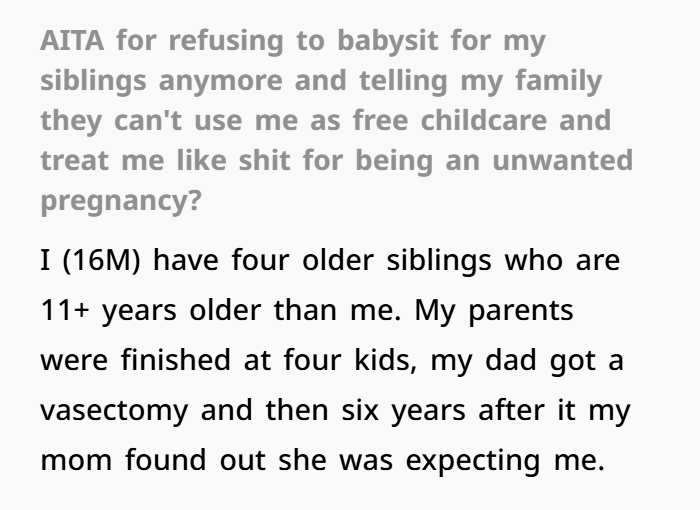
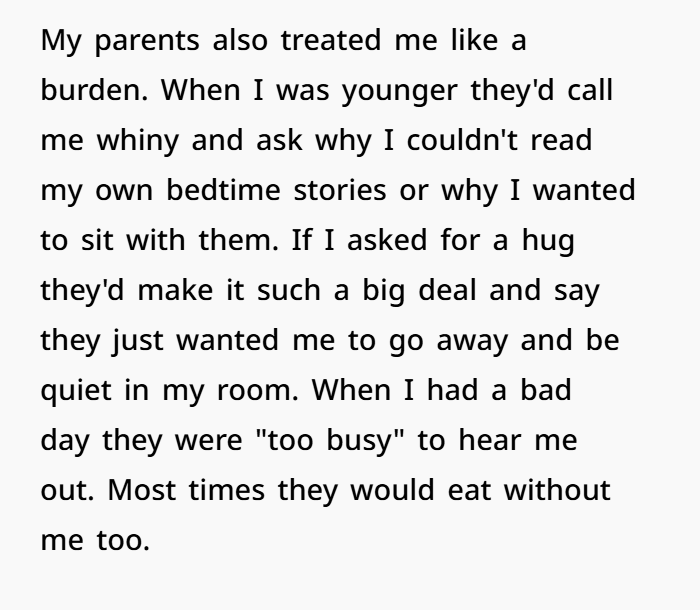
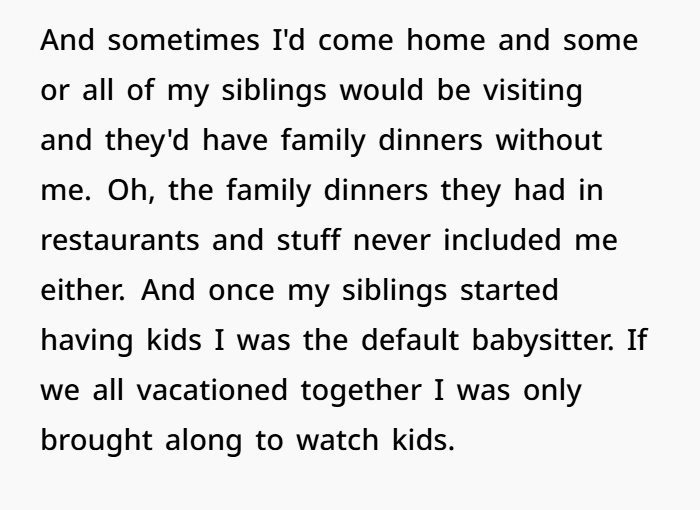
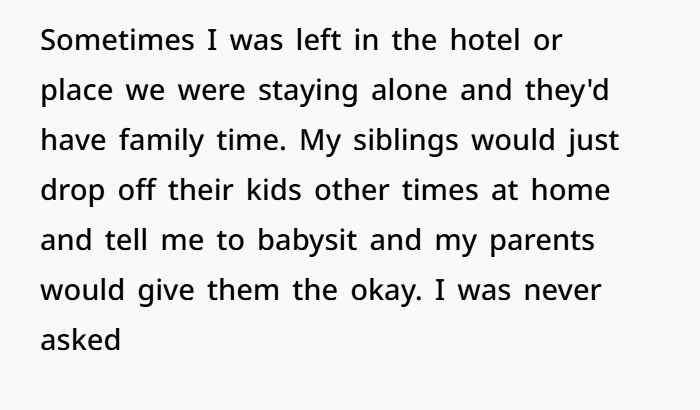
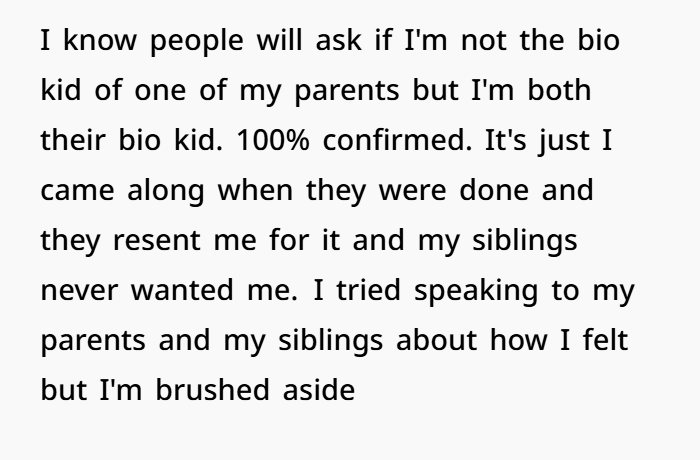
A fifteen-year-old boy reached out and shared something heavy. His family has treated him like a mistake since day one, just because he was the “surprise” baby. As the youngest of five, he’s grown up feeling invisible, like some extra bill nobody wanted to pay. There’s been emotional neglect, constant put-downs, and zero real inclusion. No support, no validation, nothing. On top of that, they made him the default babysitter for his siblings’ kids — basically free child care services with no pay, no respect, no say. It’s the kind of toxic family dynamic that can seriously mess with a teen’s mental health and self-esteem. If this was a case study in family counseling or adolescent therapy, it would check every box.
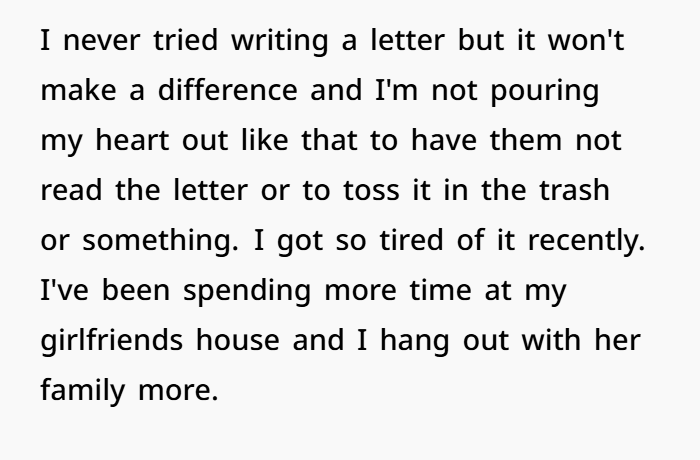
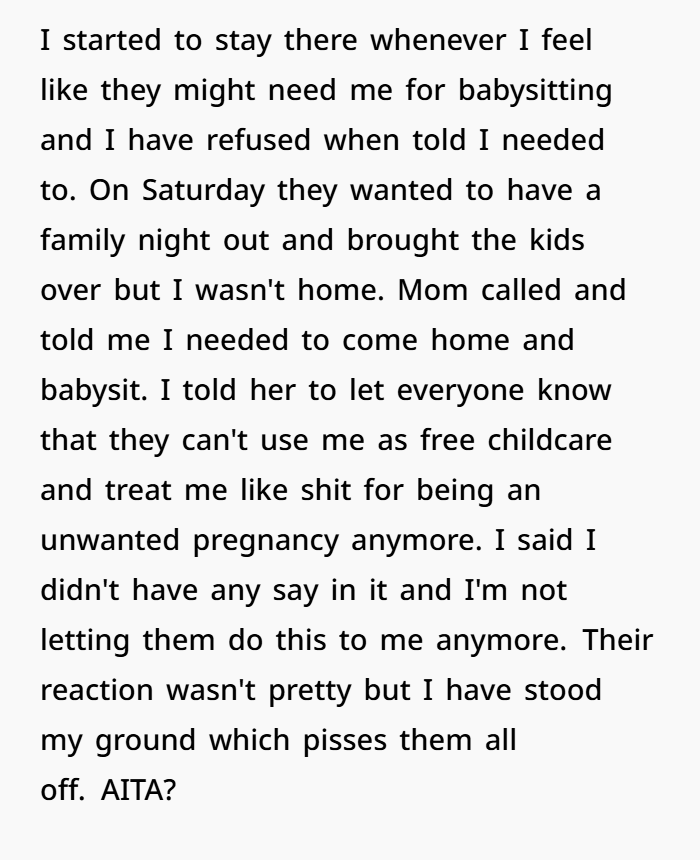
Recently, he finally said enough is enough. He quit babysitting and set clear personal boundaries, something no one ever taught him about. He told them they can’t treat him like unpaid labor and ignore his feelings at the same time. His family didn’t like it. Not one bit. No emotional support, no understanding, just backlash. But he stood firm. That’s self-worth kicking in. That’s personal growth, even if it’s messy. His story hits on family conflict, emotional abuse recovery, and finding your voice in a dysfunctional household. It’s about learning self-advocacy the hard way and realizing you deserve respect, even if the people around you never gave it.
Having an unplanned child can come with its own set of challenges for the parents

But this teen is the one paying the price for his parents’ “oopsie” 16 years later



Unpacking Family Neglect and Setting Boundaries
1. Emotional Neglect and Its Impact on Children
The kind of neglect this teen is talking about falls under emotional neglect. It’s not always loud or obvious, but it cuts deep. Emotional neglect is a form of psychological trauma where a child’s feelings get ignored or brushed off like they don’t matter. Over time, that kind of parenting can seriously affect childhood development and even lead to long-term mental health issues. According to research from the Child Mind Institute, kids who don’t receive unconditional love and emotional support from caregivers often struggle with low self-esteem, attachment issues, and even anxiety or depression later in life. That’s not small stuff. That’s real emotional damage that sometimes requires therapy or adolescent counseling to unpack.
The boy shared how he was left out of family dinners, ignored during hard times, and even called a “mistake.” Imagine hearing that as a kid. Emotional neglect alone is harmful enough, but when you see other siblings being treated better, it becomes straight-up toxic family behavior. It creates comparison wounds. It builds resentment. And it reinforces that painful belief that you’re somehow less valuable. That kind of environment can shape a child’s self-worth for years.
2. The Role of Birth Order and Resentment in Family Dynamics
Being the fifth child — and on top of that, the surprise baby — can already shift family dynamics. Birth order psychology shows that younger kids, especially unexpected ones, sometimes grow up feeling out of place. When there’s a big age gap between siblings, it can increase emotional isolation. In some families, an unplanned pregnancy can bring financial stress, relationship strain, and quiet resentment. And kids feel that. Even when no one says it out loud.

In his case, it sounds like the resentment wasn’t even that quiet. His parents’ regret about having another baby may have turned into emotional distance. His older siblings, who were in totally different life stages, seemed to treat him more like an inconvenience than a brother. Instead of family bonding, he got cold shoulders. Instead of support, he got dismissed. That kind of family conflict can deepen feelings of alienation and long-term emotional insecurity. When a child is treated like a burden instead of family, the damage doesn’t just disappear — it follows them into adulthood.
3. Exploitation as Free Childcare
Making this kid babysit over and over when he clearly doesn’t want to? That’s not “helping out.” That’s exploitation. There’s a big difference. Even under the Fair Labor Standards Act (FLSA), minors have labor protections. Yeah, family situations can get blurry, especially in big households. But forcing a teen into unpaid childcare every single time, without choice, without respect, that crosses a line. It turns him into free labor instead of a family member.
And here’s the thing. He’s starting to realize he actually has rights. Not just legal rights, but personal ones. He gets to decide how he spends his time. He gets to choose what kind of relationship he wants with his parents. That’s huge. That’s self-advocacy. And honestly, that mindset shift can change his whole future, from mental health stability to even career confidence down the road.
4. The Importance of Boundaries in Dysfunctional Families
The real turning point? When he said no. That one word. No more babysitting. No more being on call. According to psychologist Henry Cloud, setting boundaries is how you break toxic cycles. Dysfunctional families often rely on guilt and control. When one person finally pushes back, it shakes the system.
By refusing to be available 24/7, he’s protecting his emotional health. That’s not selfish. That’s survival. And distancing himself from constant stress while getting closer to his girlfriend’s supportive family? That’s smart. Being around healthy relationships can improve teen mental health, boost self-esteem, and reduce anxiety. Sometimes healing starts by seeing what normal actually looks like.
5. Seeking Support Outside the Family Unit
The real turning point? When he said no. That one word. No more babysitting. No more being on call. According to psychologist Henry Cloud, setting boundaries is how you break toxic cycles. Dysfunctional families often rely on guilt and control. When one person finally pushes back, it shakes the system.
By refusing to be available 24/7, he’s protecting his emotional health. That’s not selfish. That’s survival. And distancing himself from constant stress while getting closer to his girlfriend’s supportive family? That’s smart. Being around healthy relationships can improve teen mental health, boost self-esteem, and reduce anxiety. Sometimes healing starts by seeing what normal actually looks like.
“Every child is a gift”: netizens were saddened by the situation and showered the teen with support

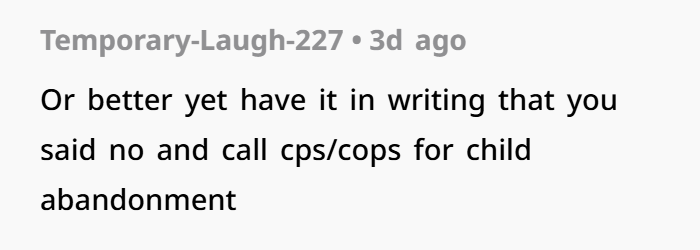
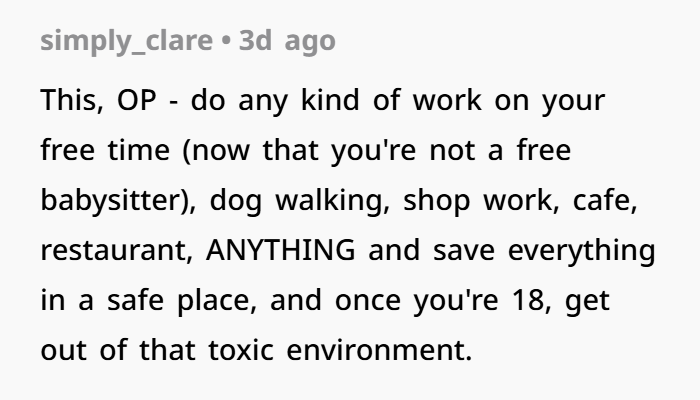

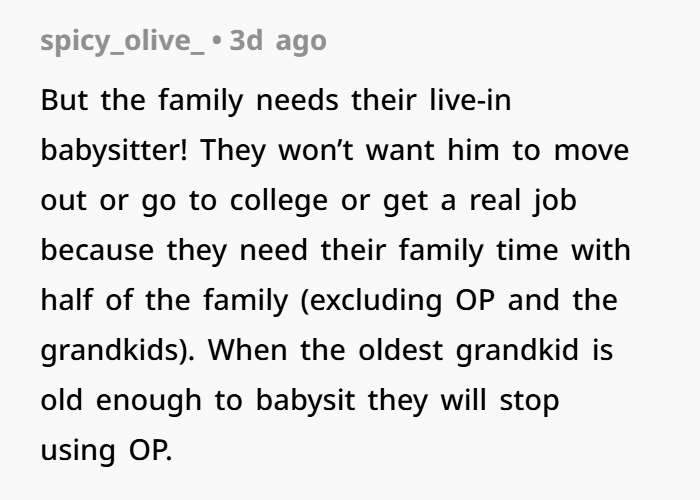
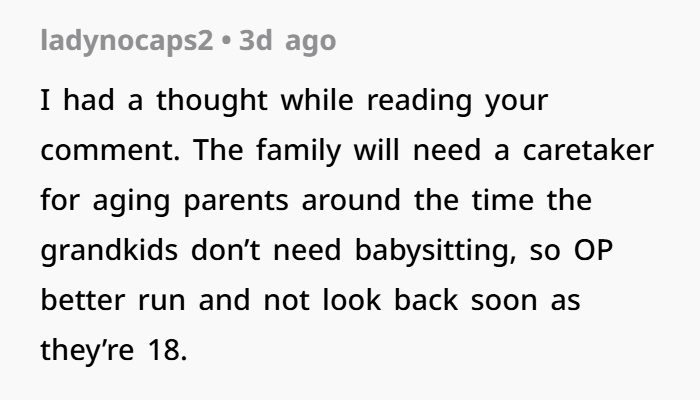
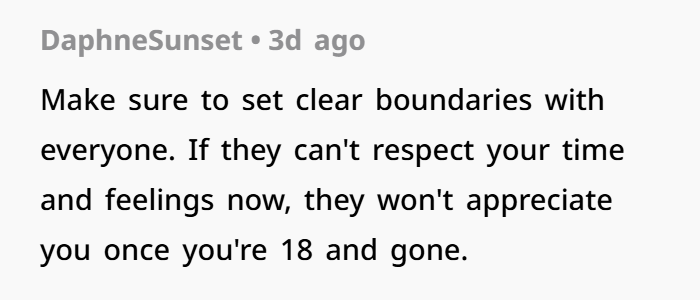
The 16-year-old is absolutely NTA for saying no to babysitting and finally calling out the way his family has treated him. That’s not disrespect. That’s personal growth. After years of emotional neglect, unpaid childcare pressure, and feeling like a burden, this is him taking back control. It’s part of building independence and protecting his mental health. And honestly, that kind of boundary-setting can prevent long-term anxiety, depression, and low self-worth that often follow toxic family dynamics.
Yeah, it’s messy. Yeah, it probably caused drama. But creating boundaries is how you stop the cycle of emotional abuse and reclaim your confidence. This is how self-respect is built. This is how emotional resilience forms. He’s not just refusing babysitting. He’s choosing self-worth, healthy relationships, and a better future. And that’s something no one should feel guilty about.