My Wife Said It Was “Just a Kiss”… I Filed for Divorce Anyway
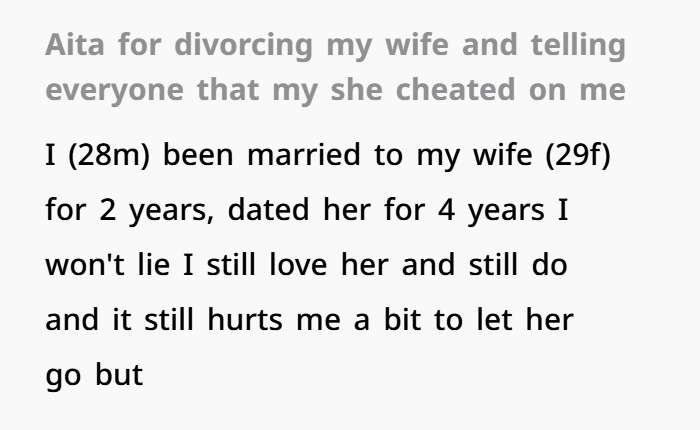
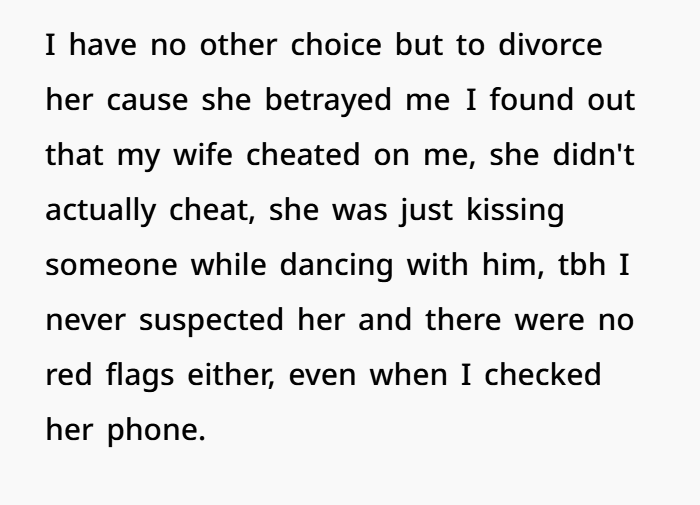
A 28-year-old husband says his marriage fell apart after he discovered his wife drunkenly kissing another man at a party. Although she insists it was a one-time mistake and never went further, he immediately decided to divorce her. The conflict escalated when he sent the evidence—a photo of the kiss—to both families to explain why the marriage was ending. Now his wife says he humiliated her and destroyed her relationships with her own family. He believes he simply told the truth. The question is whether exposing the situation publicly crossed a line.
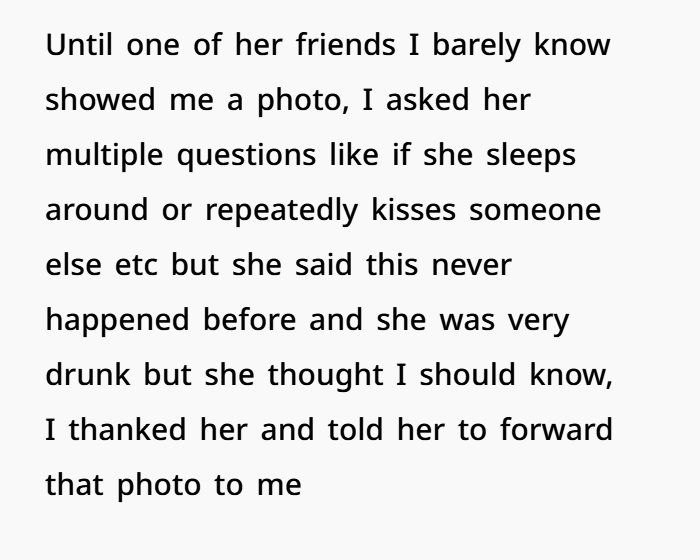
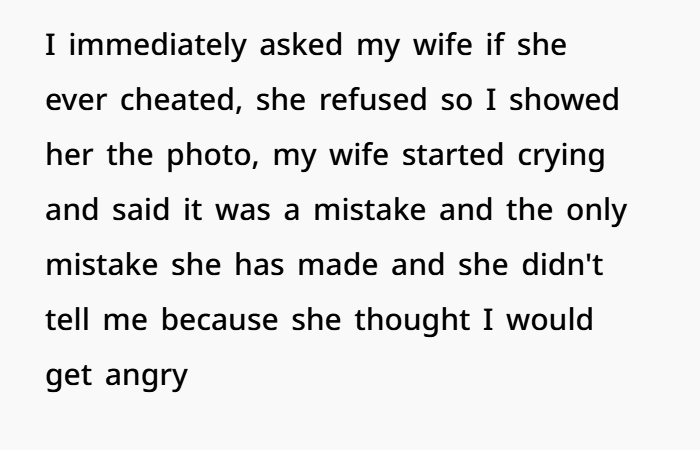
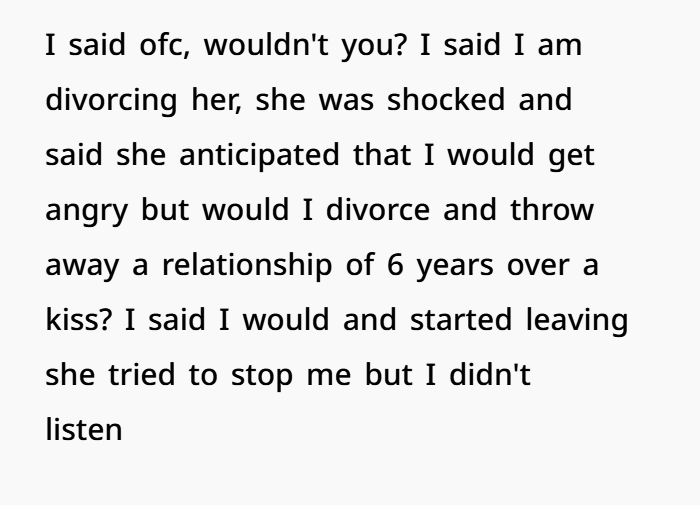
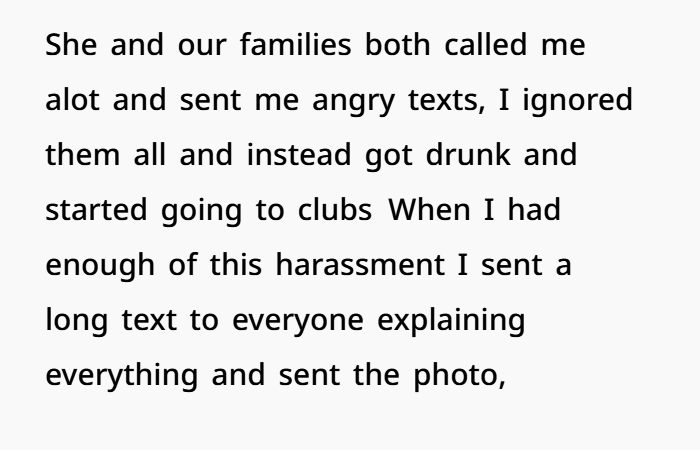
Situations like this hit right at the core of relationship trust, and once that trust cracks, it’s incredibly hard to rebuild. In many marriage counseling cases, the real issue isn’t always the physical act itself—it’s the secrecy, denial, and emotional impact that follow. Even a single moment like a drunken kiss can trigger the same feelings of betrayal as something more serious, because it challenges the belief that your partner would never cross that boundary.
In this story, the husband reacted quickly. He saw the photo, confronted his wife, and within minutes decided the marriage was over. Some people might call that extreme, but others see it as a matter of relationship boundaries. Every couple has different lines that cannot be crossed. For some, emotional flirting is already too far. For others, even a physical kiss might be forgivable if it truly was a one-time mistake.
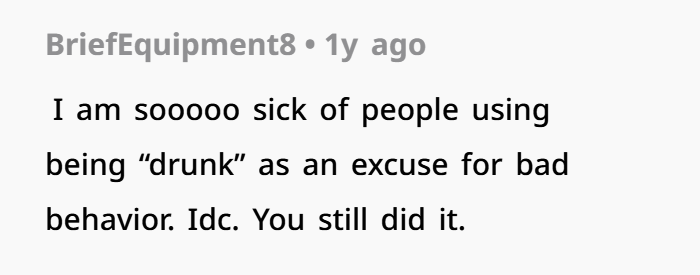
The tricky part here is that alcohol plays a role. In a lot of infidelity recovery therapy discussions, alcohol is often used as an explanation, but rarely a full excuse. Being drunk can lower inhibition, but it doesn’t create desires that weren’t there at all. That’s why many people struggle to accept the “I was drunk” defense. It can feel like avoiding responsibility instead of fully owning the decision.
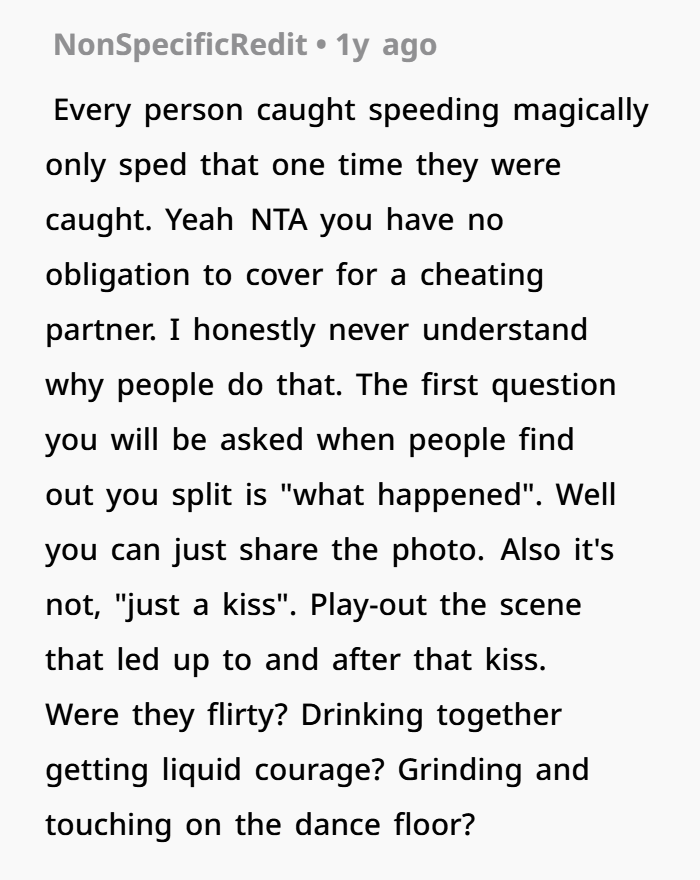
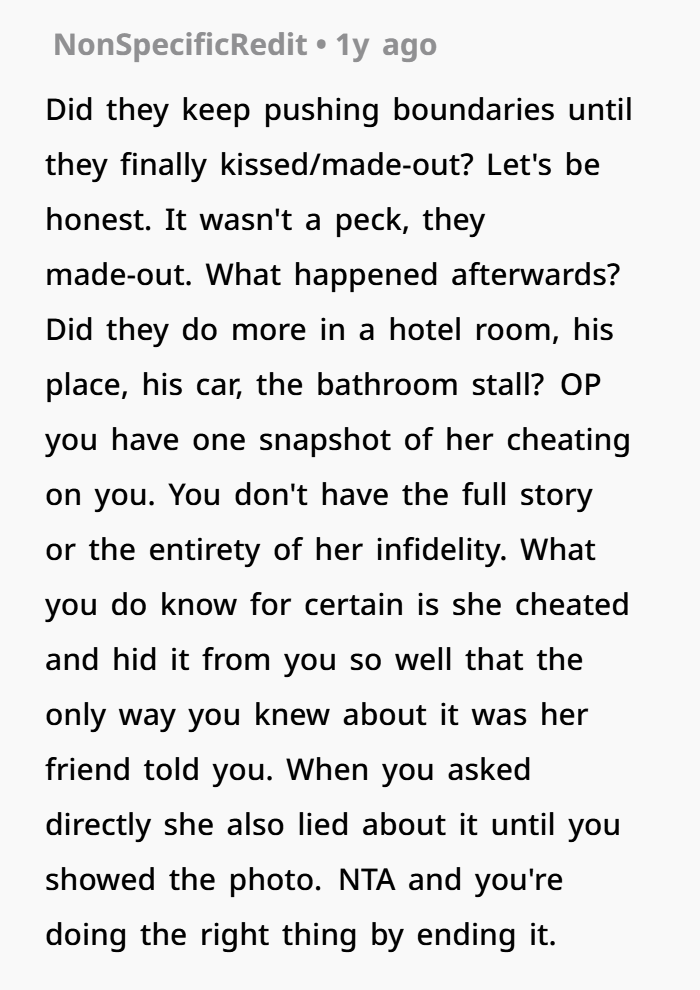
Another major factor is denial and honesty. When the husband first asked his wife if she cheated, she said no. Only when he showed the photo did she admit what happened. That moment often damages trust more than the act itself. In many marriage therapy case studies, experts say the biggest obstacle to healing after cheating is not the betrayal, but the lying afterward. Once a partner lies when confronted, the other person starts wondering what else is hidden.
From his perspective, the situation likely felt like a clear violation. Six years together—four years dating and two years married—represents a huge emotional investment. When someone discovers something like this unexpectedly, the shock alone can lead to strong reactions. Psychologists sometimes call this betrayal trauma, where the brain reacts with anger, withdrawal, or drastic decisions to protect itself from further pain.
But the other controversial part of this story is what happened next: he told everyone.
When couples separate after cheating, many relationship experts recommend keeping the details private, at least initially. Not necessarily to protect the cheater, but to prevent the situation from escalating into public humiliation or permanent family conflicts. Once extended family gets involved, it becomes very difficult to repair anything later—even if both partners wanted to.
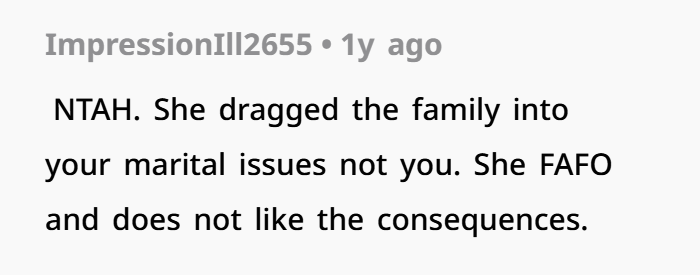
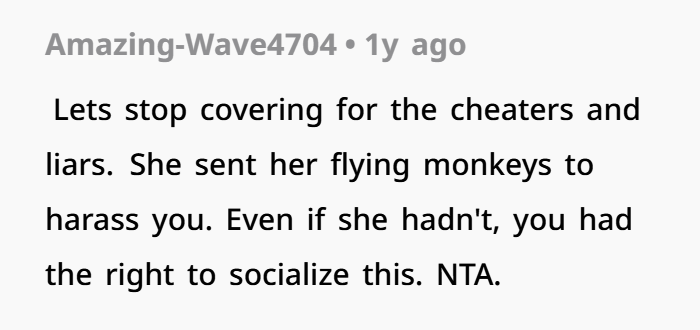
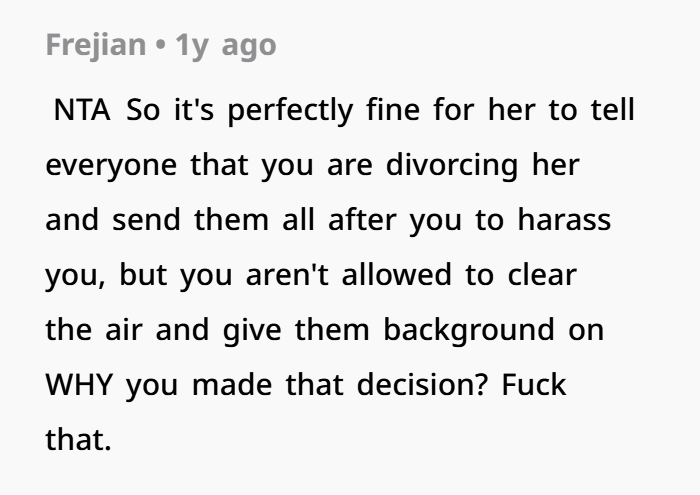
In this case, the husband says he only told people because both families kept messaging him, asking what was going on. That situation is actually common during divorce proceedings. When communication breaks down between spouses, family members often step in, sometimes making things worse. Instead of staying neutral, they start picking sides.
By sending the photo and explaining the situation, he probably felt he was defending himself. From his point of view, he may have believed people would assume he was the one at fault if he stayed silent. In many high-conflict divorce cases, people share proof specifically to control the narrative.

However, publicly exposing the evidence created a second wave of consequences. According to the story, some of his wife’s family members became angry with her, and a few even cut her off completely. That’s where people start questioning whether the reaction was proportional. Sharing the truth can feel justified, but sharing proof—especially something humiliating—can escalate things dramatically.
There’s also the issue of how infidelity definitions vary between couples. Legally speaking, a kiss usually wouldn’t matter in court for most divorces. But emotionally, people define cheating in different ways. Some couples explicitly say even flirting with someone else crosses the line. Others focus more on emotional affairs or s*xual relationships.
Research in relationship psychology often shows that forgiveness depends on three things: remorse, accountability, and time. The partner who made the mistake needs to show genuine regret and transparency. The other partner needs time to process the hurt. And both people need space to decide whether the relationship can survive.
In this situation, none of that process really happened. The discovery, confrontation, and decision to divorce happened very quickly. Sometimes people make these decisions in the heat of emotion, while other times they simply realize that trust can’t be rebuilt for them.
It’s also important to look at the emotional aftermath for the husband. After the confrontation, he describes ignoring calls, drinking heavily, and going to clubs. That kind of behavior often shows someone trying to cope with shock and heartbreak rather than someone who feels confident about their decision.
And that’s the complicated truth about breakups after cheating: even if someone believes leaving is the right choice, the emotional attachment doesn’t disappear overnight. People can still love someone deeply while knowing they can’t trust them anymore.
Another layer to this situation is reputation. In today’s world—especially with social media—exposing someone’s mistakes publicly can have long-lasting effects. Some relationship counselors argue that even when someone cheats, public shaming rarely helps anyone heal. It can make closure harder for both sides.
Still, the husband’s defenders would argue something else entirely: he simply told the truth. If family members asked why the marriage was ending, he answered honestly. From that viewpoint, the consequences his wife faced came from her own actions rather than from him sharing the story.
This is why situations like this divide opinions so strongly. Some people believe loyalty violations justify immediate separation and full transparency. Others believe mistakes—especially drunken ones—should be handled privately between partners.
In the end, this situation raises a deeper question about relationships: Is a single betrayal enough to erase years of love and commitment?
For some people, the answer is absolutely yes. Trust is everything, and once broken, it’s gone. For others, relationships are messy, and forgiveness is part of long-term commitment.
Neither answer is universally right or wrong. What matters most is whether both people can live with the outcome.