How to Build Budget-Friendly Shelves That Look Like a Million Bucks!
DIY shelves are a perfect way to maximize space, show off your favorite decor, and instantly upgrade your room. In this guide, we’ll cover everything you need to know about floating shelves—why they’re so popular, what materials work best, and even some cool alternatives to traditional wood shelves. Ready to transform your space on a budget? Let’s dive in!

Are Floating Shelves Out of Style in 2025?
Floating shelves are still going strong in 2025! These sleek and modern shelves are perfect for almost any home, giving your living room that open, airy feel or offering clever storage in your kitchen. They’re versatile, easy to install, and look great with any kind of decor.

In 2025, floating shelves are all about bold colors, natural wood finishes, and mixing materials like wood and metal. They not only save space but also give you a chic way to display books, plants, and other decor. If you want a stylish, functional addition to your home, floating shelves are still a top pick!
Do Floating Shelves Have Issues?
While floating shelves look fantastic, they can come with a few issues if not installed properly. Sagging is a common problem, especially if the shelf is overloaded or made from weak materials. To avoid this, always check the weight limit and make sure you’re using sturdy brackets (hidden ones work great).

Another potential issue is wall damage. Since floating shelves don’t show any hardware, they need to be anchored to strong wall studs to stay safe and secure. If you’re installing them on drywall, make sure to use the right anchors or screws. With the right setup, floating shelves will stay in place and last for years with no trouble.
Are Floating Shelves Straight or Staggered?
It really comes down to the vibe you’re going for. Straight shelves give you a clean, sleek, and balanced look—perfect for modern or minimalist spaces. If you like everything lined up neatly, this style is for you.

On the flip side, staggered shelves add a bit of flair and personality. They bring some energy and visual interest to a room, making them great for displaying a mix of items, from books to plants to artwork. Staggered shelves are perfect if you want your space to feel dynamic and full of life.
When you say floating shelf, what are you referring to?
Floating shelves are those cool, sleek shelves that seem to defy gravity. They’re supported by hidden brackets or metal rods that are attached to the wall. These supports are screwed into the wall first, and then the shelf slides onto them, creating that floating effect. The key is using strong brackets and a solid wall. If you’re putting them on drywall, be sure to use anchors or, even better, screw them into wall studs for extra strength.

If you want extra support, visible brackets underneath can work too—just make sure they match the shelf’s design so they blend in nicely. This can help hold up heavier items, no problem.
Which is Better for Shelves, MDF or Plywood?
When it comes to materials, both MDF (Medium-Density Fiberboard) and plywood have their pros and cons.
MDF:
- Pros: Smooth surface (perfect for painting), affordable, and easy to work with. Great for decorative shelves that won’t hold too much weight.
- Cons: Not very strong, so it can sag under heavier loads. It’s also not moisture-resistant, so it could swell if exposed to water. It won’t last as long as plywood.
Plywood:
- Pros: Much stronger and more durable than MDF, can handle heavier items (think books or kitchenware), and it has better moisture resistance.
- Cons: A bit pricier, and you may need to spend more time finishing it to get a smooth surface. It’s also harder to cut and work with.
Conclusion:
If you’re building light, decorative shelves, go with MDF. If you need something that can hold up heavier items and last longer, plywood’s the way to go.

How to Do Floating Shelves?
Building floating shelves is easier than you might think! Start by measuring the area where you want the shelves to go and cut the wood to size. Then, use screws and wall anchors to attach the brackets to the wall. Once the brackets are secure, slide the wood shelf onto them and double-check that it’s level. If you’re adding more shelves, just repeat the process for each one!

If you want to take it up a notch, paint or stain the shelves to match your room’s theme. For something a little different, mix wood with metal for a cool, modern twist. Or, if you’re aiming for a bit of ambiance, you can add LED strip lights underneath the shelf to create a sleek, stylish glow.
What Can I Use Instead of Wood for Shelves?
Not a fan of wood? No problem—there are plenty of other options! Glass shelves are super sleek, perfect for bathrooms or modern kitchens. They’re easy to clean and add a touch of elegance.

Metal shelves give off an industrial vibe and are strong enough to handle heavy-duty items, so they’re great for garages or offices. Plus, they fit perfectly in modern-style homes. If you’re on a tight budget, plastic shelves are a lightweight, affordable option, especially for closets or storage rooms.
Are Open Shelves Falling Out of Favor?
Nope, open shelves are still very much in style and aren’t going anywhere anytime soon! They’re a go-to for kitchens and living rooms because they help the space feel airy and open. Plus, they give you a great opportunity to show off your personality with your decor.

Just remember, since everything’s out in the open, they need regular cleaning to keep things looking fresh. If you’re not ready to go full-on with open shelving, you can still rock the look by keeping it simple. Don’t overcrowd the shelves—just display a few cool dishes, plants, or art pieces for that clean, trendy vibe.
Are Shelves Cheaper to Build or Buy?
Building your own shelves can be a super budget-friendly option, depending on what materials you choose. The cost really depends on the size, material, and finish you want. The best part? You can customize everything to perfectly fit your space and your budget. If you’re looking to save even more, using reclaimed wood or leftover materials is a smart and eco-friendly way to keep costs down.

Buying pre-made shelves might be the way to go if you’re pressed for time or don’t have the right tools. Many stores offer affordable, ready-to-install shelves that can save you the hassle of building them yourself. So, it really depends on what works best for your schedule and needs.
How long should floating shelves be in the living room?
There’s no one-size-fits-all rule, but most floating shelves in living rooms fall between 24 to 48 inches long. This size is perfect for holding books, decor, or family photos. If you’ve got a larger wall, longer shelves can make a big impact and add a bold statement to the room. On the flip side, shorter shelves are better for small or narrow spaces.

Just make sure the length of the shelf fits the wall properly—it shouldn’t overwhelm the space. And if you’re adding more than one shelf, leave some breathing room between them—about a couple of feet—so your items have enough space and don’t look too cluttered.
Brackets-free shelves: How to make them?
Creating bracket-free floating shelves is a cool way to keep things sleek and modern. To pull this off, you’ll need flat-edged shelves and special floating shelf hardware. This often involves hidden metal rods or supports inside the shelf, so nothing is visible once it’s mounted. Another neat idea is recessed shelves, which are built right into the wall for a seamless, built-in look.

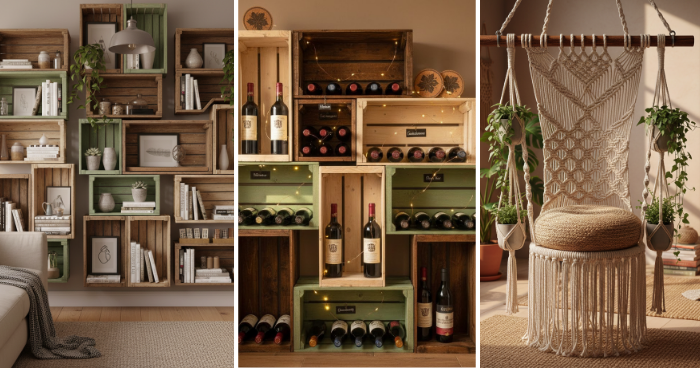
If you’re looking for something simple and budget-friendly, try using wooden crates or pallets. You can attach them directly to the wall, and their unique style means you don’t even need brackets to make them stand out.
Final Thoughts
DIY shelves are not only fun to make, but they’re also a practical way to add some personality to your home. Whether you go with floating shelves, open shelves, or get creative with something else, the trick is to pick a design that works for your space and needs. Plus, it’s way more budget-friendly—you might be able to build several unique shelves for the price of one pre-made one! With all the tips and ideas in this guide, you’re all set to take on your next DIY shelving project with confidence!