My Girlfriend’s Lesbian Best Friend Tried To Steal Her… So I Gave Her An Ultimatum
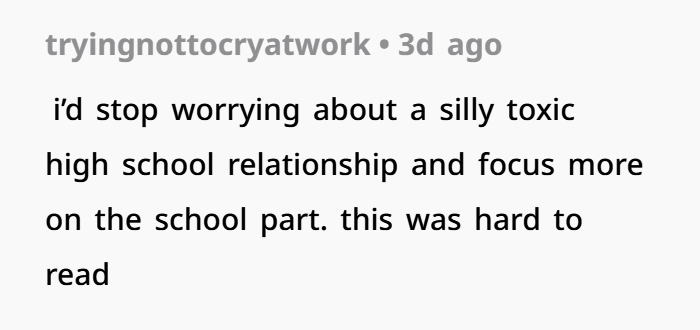
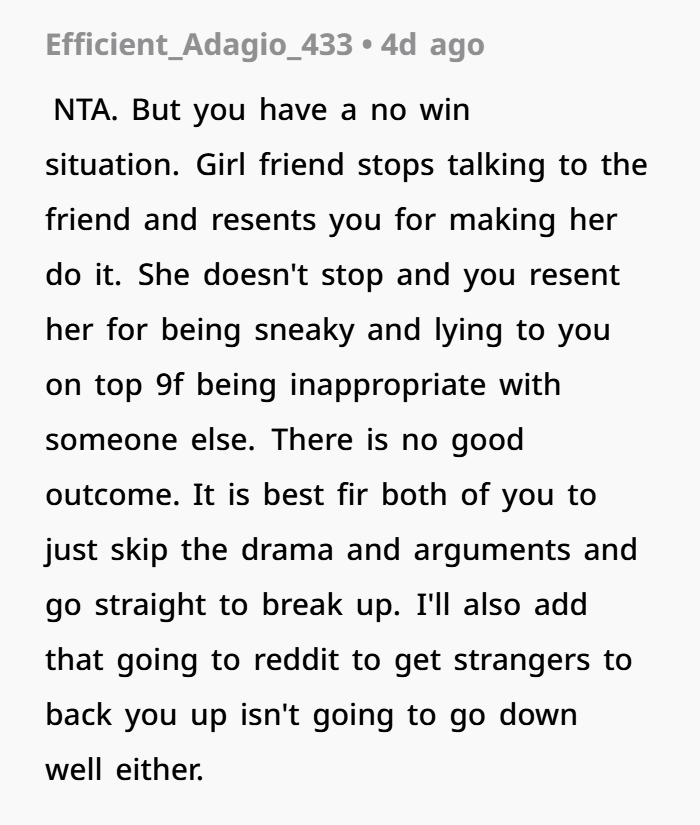
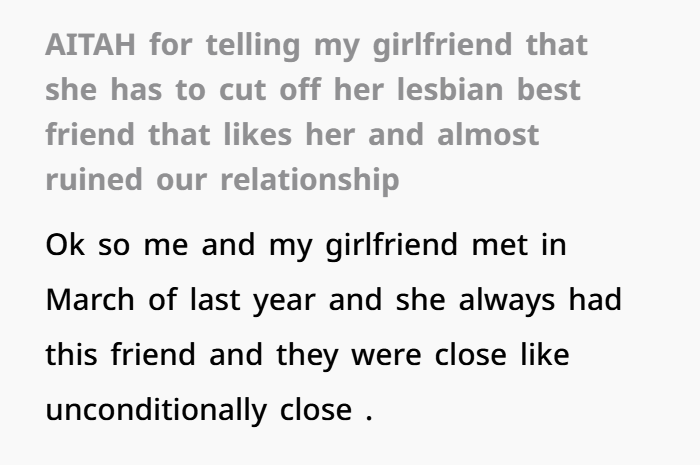
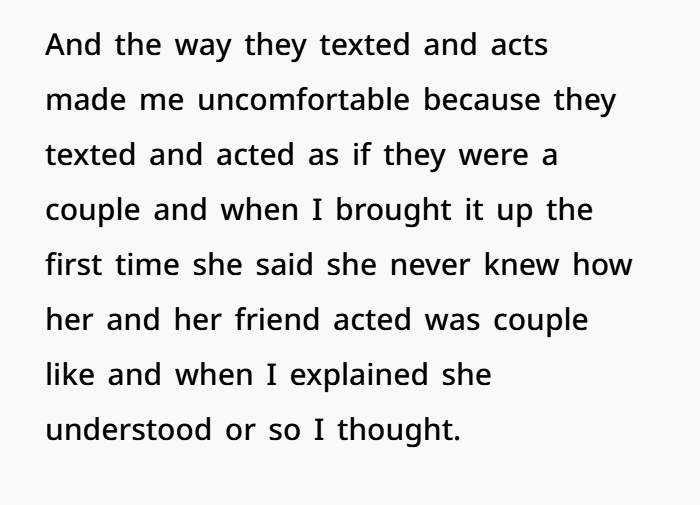
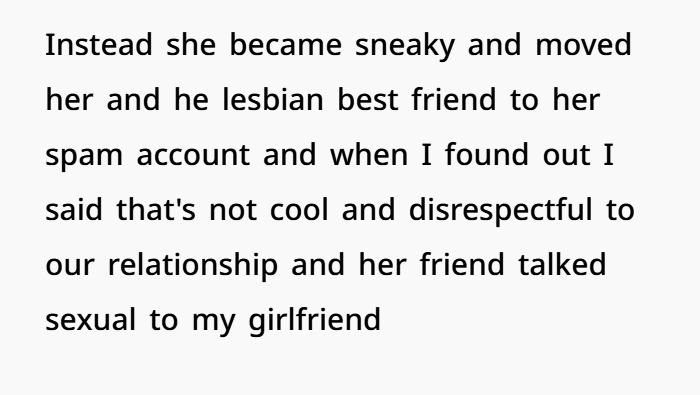
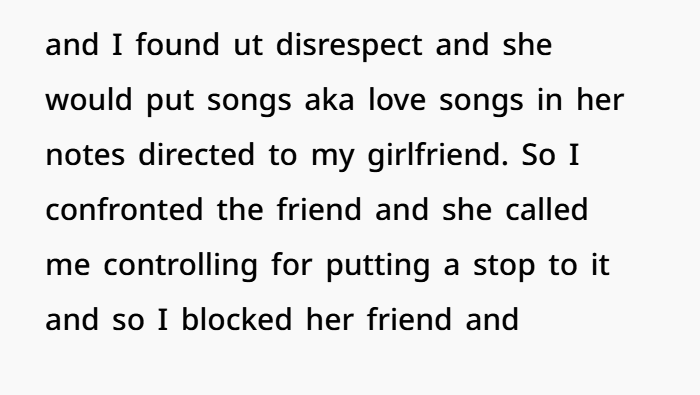
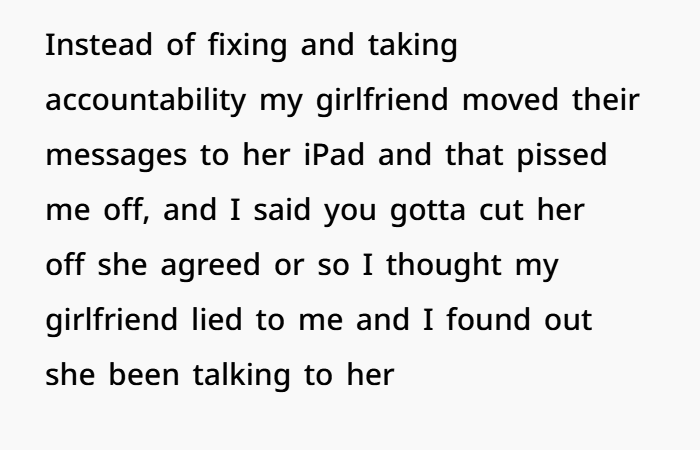
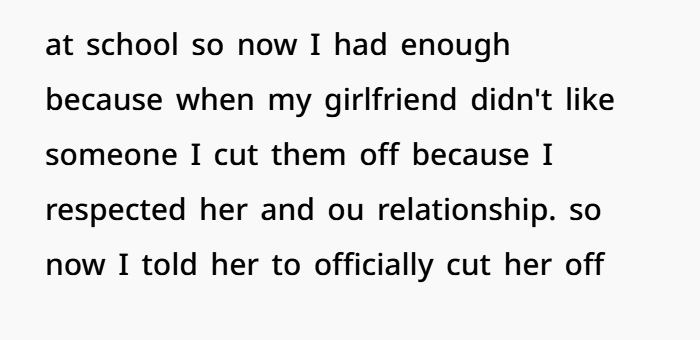
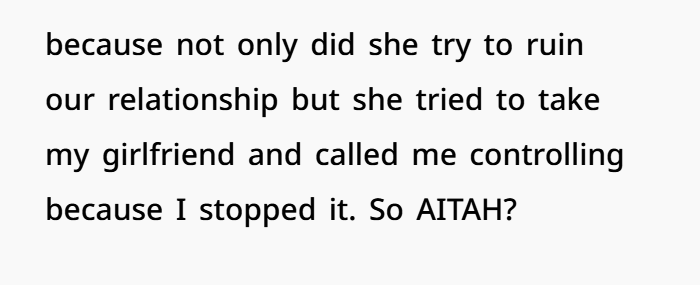
A teenage relationship is being tested after a boyfriend grows uncomfortable with the way his girlfriend and her best friend interact. The two friends act extremely close, texting constantly and even sending love songs and flirtatious messages, which makes the boyfriend feel like the friendship crosses normal boundaries. When he first brings it up, his girlfriend says she didn’t realize how it looked and promises to change things. But instead, the communication with her friend becomes more secretive, moving from main accounts to spam accounts and even private devices. The situation escalates when the best friend begins sending sexual messages and romantic hints, leading the boyfriend to believe the friend is actively trying to break up the relationship. After multiple confrontations and broken promises, he finally tells his girlfriend that if they want the relationship to survive, she needs to completely cut off the friend.
Teen relationships can get messy fast. When you mix first love, jealousy, friendship loyalty, and social media, things can spiral before anyone realizes it. What’s happening here actually touches on several really common issues in teen dating psychology, relationship boundaries, and even digital communication in young relationships.
First, let’s talk about emotional boundaries in relationships.
Every healthy relationship needs boundaries. That’s not just some buzzword people throw around online. Boundaries basically mean clear lines about what behavior is okay and what isn’t. These lines help protect trust, emotional safety, and respect between partners.
For teenagers, figuring out these boundaries can be confusing. Many teens are in their first serious relationship, and they’re still learning what loyalty and respect look like. At the same time, they’re trying to keep friendships that existed before the relationship started.
And that’s where things get complicated.
In this situation, the boyfriend wasn’t upset simply because his girlfriend had a friend. The problem started because the friendship looked romantic. The texting style, the closeness, and the love songs created a vibe that felt more like a couple than just friends.
Relationship counselors often call this “emotional overlap.”
That’s when a friendship starts taking up the emotional space that normally belongs to a romantic partner. It can include things like:
- Flirtatious messaging
- Romantic language
- Sexual jokes or comments
- Inside jokes or secrets hidden from a partner
- Constant private communication
When these things happen, the partner on the outside can feel like they’re competing with someone else for attention.
Now add another element to the story: secrecy.
The girlfriend didn’t just continue talking to the friend. According to the story, she moved the conversations to spam accounts and private devices like an iPad. That’s important because secrecy often becomes a bigger problem than the original behavior.
Trust experts say secrecy damages relationships in two ways.
First, it signals that someone knows their behavior would upset their partner. If someone moves conversations to hidden accounts, it suggests they’re trying to avoid accountability.
Second, secrecy creates suspicion. Even if nothing physical is happening, hiding communication makes it feel like something bigger is going on.
In relationship counseling, this pattern is sometimes called “digital boundary crossing.”
Social media and messaging apps make it easy to hide conversations. Teens especially often have multiple accounts, spam profiles, or private messaging spaces where parents or partners can’t see interactions. That kind of hidden communication can quickly erode trust.

Another key issue here is the friend’s behavior.
According to the story, the friend sent sexual messages and romantic signals, including love songs directed at the girlfriend. That changes the dynamic from a normal friendship into something closer to active romantic interest.
When a third person openly expresses interest in someone who is already in a relationship, the responsibility usually falls on the partner to set boundaries. That might mean telling the friend clearly that the behavior is inappropriate.
But if the partner doesn’t stop it, the situation often escalates.
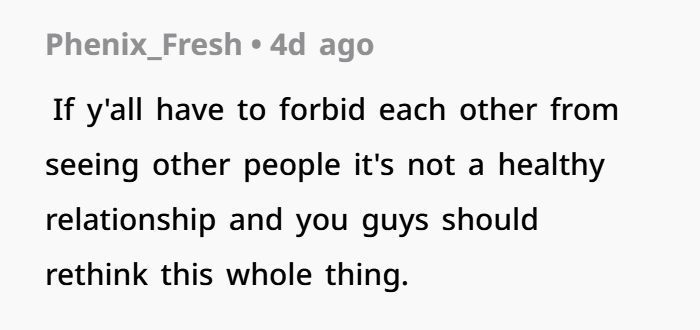
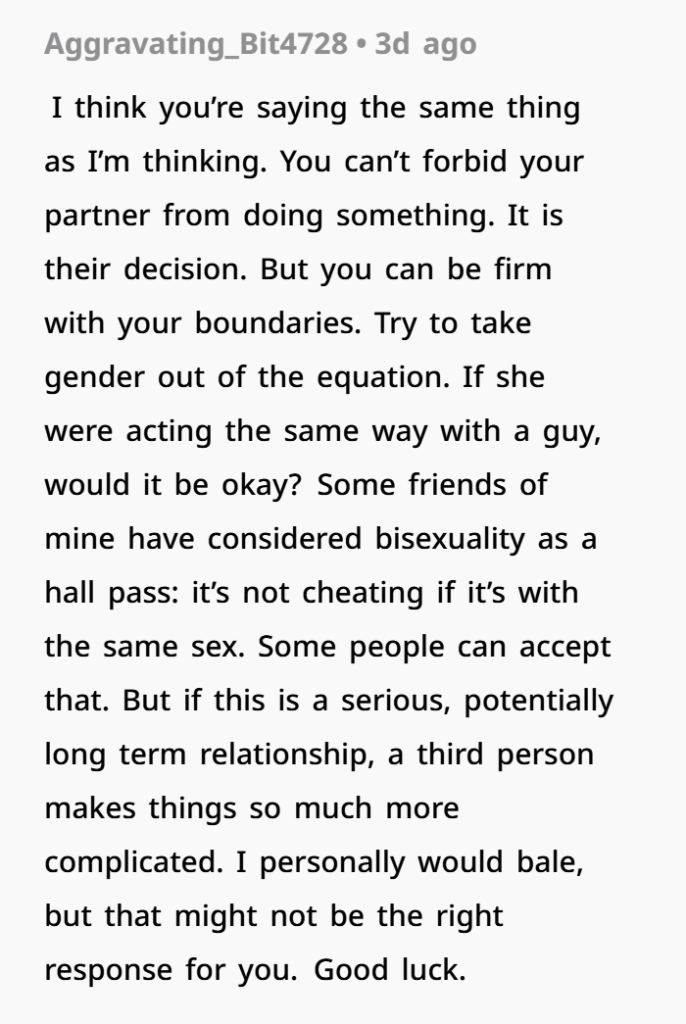
That’s why many people online debate whether asking a partner to cut someone off is controlling or reasonable.
The word “controlling” gets thrown around a lot in relationship discussions, especially online. But psychologists usually define controlling behavior as trying to limit a partner’s independence or isolate them from friends without good reason.
However, there’s an important difference between control and boundary protection.
For example:
Controlling behavior might look like:
- “You can’t have any friends.”
- “You’re not allowed to talk to anyone without my permission.”
- “You must cut off all your friends.”
But boundary protection often sounds more like:
- “This person is flirting with you and disrespecting our relationship.”
- “It makes me uncomfortable when you hide conversations.”
- “I need this behavior to stop if we’re going to stay together.”
The difference is the reason behind the request.
In this case, the boyfriend says he already tried smaller steps. He talked about how the messages made him uncomfortable. The girlfriend said she understood but then continued communicating secretly. That pattern is what pushed things further.
Another important factor here is reciprocity in relationships.
The boyfriend says that when his girlfriend didn’t like someone, he cut them off out of respect. That created an expectation that the same respect would go both ways.
Relationships often run into problems when one partner feels like they’re sacrificing more than the other. If someone feels like they’re following rules that their partner doesn’t follow, resentment builds quickly.
And resentment is one of the biggest reasons teen relationships break apart.
There’s also the emotional intensity that comes with being under 18. Teenage brains are still developing, especially in areas connected to decision making, impulse control, and emotional regulation. That’s why teen relationships can feel extremely intense even when they’re relatively short.
A friend who constantly validates someone emotionally can become very influential. In some cases, a friend might even unintentionally create tension by encouraging conflict with a partner.
In online relationship discussions, this is sometimes called “third-party interference.”
That doesn’t always mean the friend is intentionally trying to break the couple apart. Sometimes they just dislike the partner or feel protective. But if they openly flirt or push romantic energy, it can start to look like competition.
Another layer in this story is the sexual orientation aspect.
The friend identifying as lesbian while showing interest in the girlfriend adds another emotional complication. Some people assume same-gender friendships are automatically harmless, but attraction can still exist in any direction. When attraction enters a friendship, boundaries usually become even more important.
What makes the situation particularly tense here is that the girlfriend apparently continued the friendship secretly after promising to stop.
Broken promises can damage trust faster than the original issue. Once trust breaks, people start questioning everything — messages, conversations, intentions.
At that point, many relationships reach a crossroads.
Either both partners rebuild trust by being honest and setting clear boundaries, or the relationship slowly collapses under suspicion and resentment.
And honestly, that’s why this situation sparks such heated debates online. Some people believe asking a partner to cut off a friend crosses a line. Others believe protecting the relationship from someone who openly flirts is completely reasonable.
In the end, the real question isn’t just about the friend.
It’s about trust, honesty, and respect.
Without those three things, even the strongest relationships start falling apart.