Wife Converts to Islam Overnight… Then Threatens Divorce Unless Her Husband Converts Too
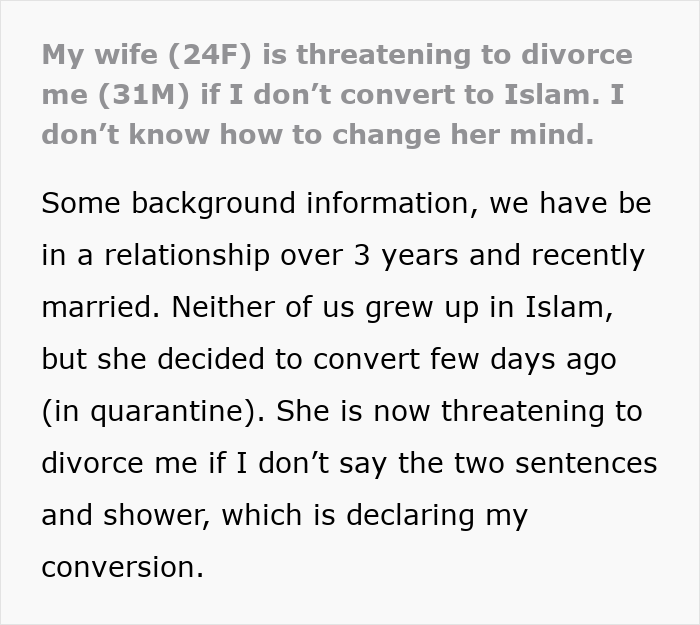
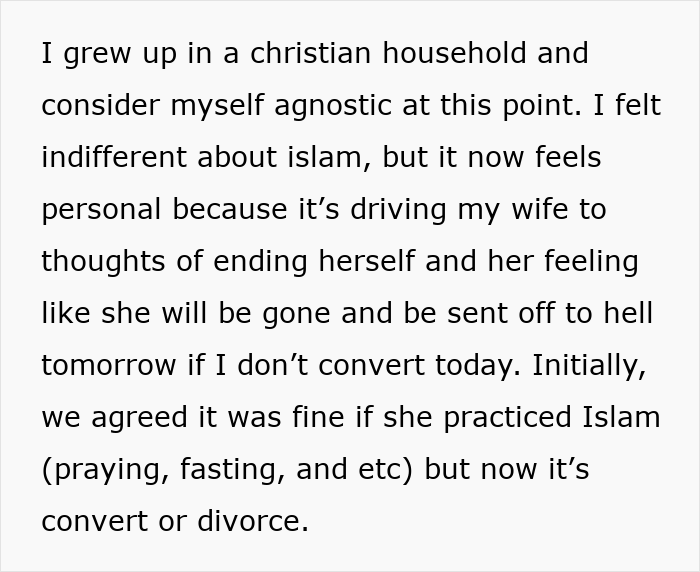
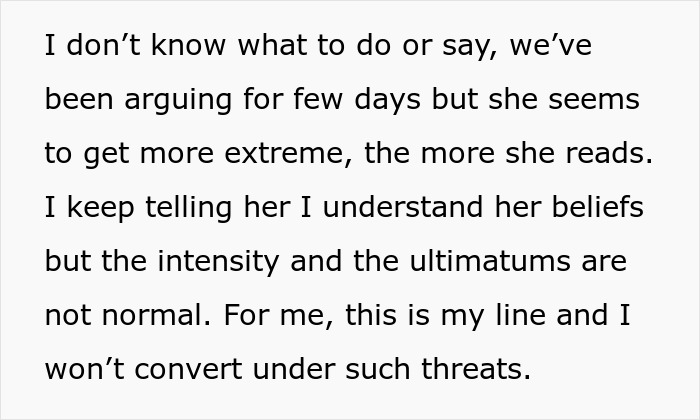
A 31-year-old husband found himself trapped in an emotional nightmare after his newlywed wife suddenly converted to Islam during quarantine and immediately demanded he do the same. The couple had been together for over three years and neither came from a Muslim background, so the shift came out of nowhere for him. At first, he supported her decision to practice her new faith however she wanted. But things escalated fast. Within days, she began threatening divorce and spiraling into fears about hell, death, and eternal punishment if he refused to convert immediately. Feeling pressured into a religious decision he didn’t truly believe in, the husband turned to Reddit for advice. What started as a relationship conflict quickly revealed deeper issues involving anxiety, mental health struggles, religious obsession, and emotional ultimatums that were putting the entire marriage at risk.
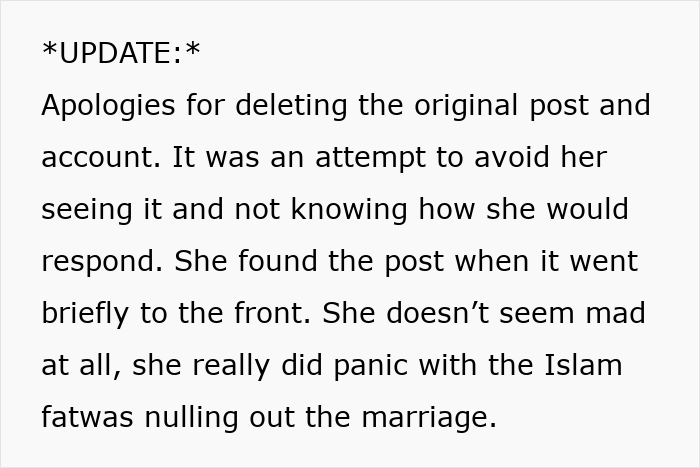
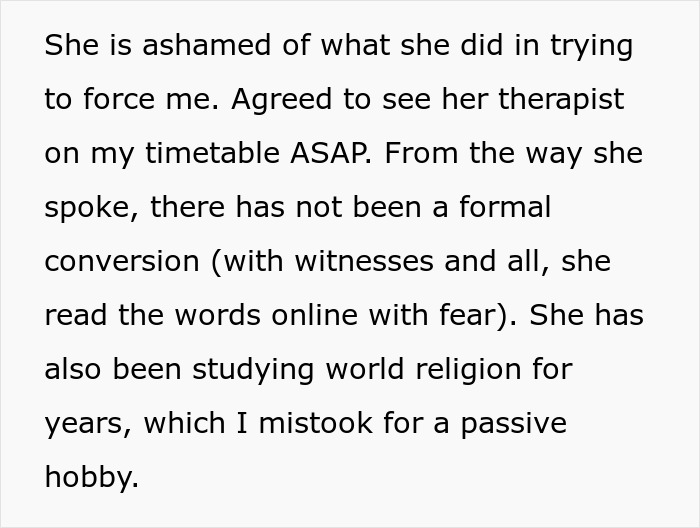
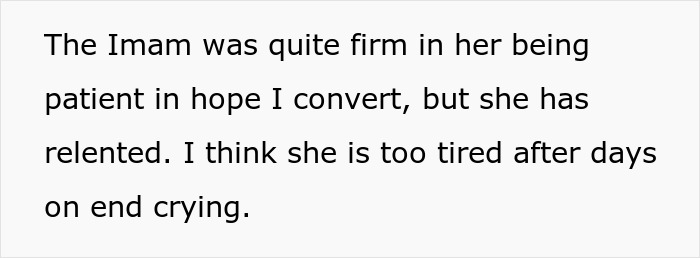
This story hit people hard online because it touches several deeply emotional topics all at once — marriage pressure, religion, mental health, coercion, and identity. Threads like this usually explode because readers don’t just see a relationship problem. They see fear, control, confusion, and someone desperately trying to hold their marriage together while their partner changes overnight.
The biggest thing most commenters focused on wasn’t Islam itself. It was the sudden intensity.
According to the husband, his wife converted only a few days before issuing the ultimatum. That timeline matters. Major life changes combined with obsessive thinking, panic about eternal punishment, and threats involving suicide immediately raised red flags for many readers. Keywords like religious anxiety, relationship ultimatum, forced religious conversion, marriage counseling, mental health crisis, and emotional manipulation in relationships are searched constantly because situations like this happen more often than people realize.
When people suddenly latch onto extreme beliefs during periods of stress or isolation, it can sometimes become unhealthy very fast.
And remember the timing here — April 2020. Right in the middle of global quarantine lockdowns.
That context changes everything.
Mental health professionals reported huge spikes in anxiety, panic attacks, depression, and obsessive behavior during the pandemic. People were isolated from support systems, doom-scrolling online for hours, and dealing with nonstop fear about death and uncertainty. For someone already struggling with anxiety or depression, diving deeply into intense religious content without balance can become emotionally overwhelming.
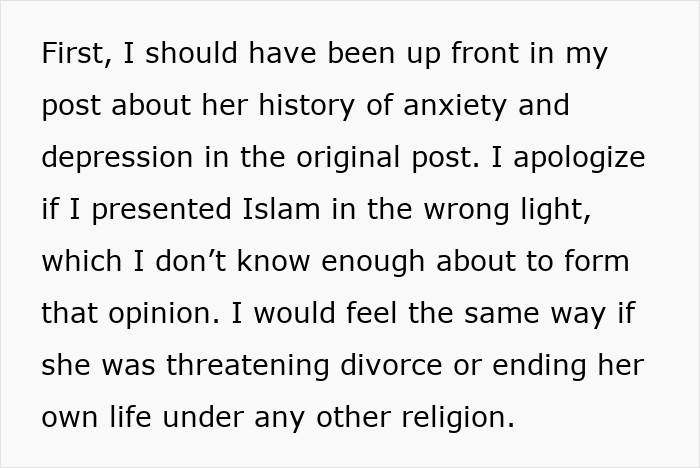
The husband later admitted she already had a history of anxiety and depression, which made many people rethink the situation entirely.
Instead of this being a simple “religion ruined my marriage” story, it started looking more like a mental health crisis mixed with sudden religious obsession.
That distinction matters because online discussions around religion can spiral quickly into stereotypes and attacks. The husband actually clarified that he wasn’t blaming Islam itself. He even said he would feel the same concern if the threats and suicidal thinking were connected to any religion or ideology. That part probably helped calm the discussion down because people could see he wasn’t trying to demonize Muslims.
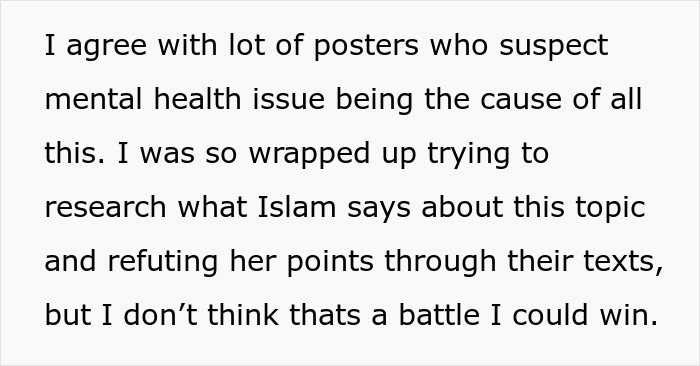
Honestly, one of the smartest things he did was stop trying to “debate theology” with her.
He admitted he spent days researching Islamic texts and trying to argue against the points she was bringing up. But when someone is emotionally spiraling, logic battles rarely work. Especially when fear is involved. Fear-based thinking changes how people process information. Once someone becomes convinced they’re facing eternal punishment or divine consequences, rational conversations often stop working the normal way.
That’s why the update became the most important part of the story.
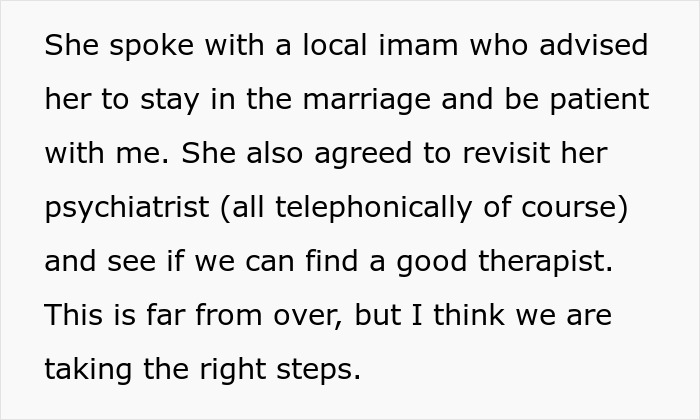
Her speaking with a local imam changed the direction completely.
A lot of commenters expected the religious leader to push harder for conversion, but instead the imam reportedly advised her to stay patient and remain in the marriage. That surprised many readers and challenged assumptions people had going into the thread. It also showed something important: online rabbit holes and real-life religious counseling are not always the same thing.
Internet extremism exists in almost every belief system now. Algorithms reward emotional content, fear, outrage, and certainty. Someone vulnerable can quickly end up consuming nonstop videos, posts, and forums that reinforce panic instead of balance. That’s why searches around online radicalization, religious OCD, spiritual anxiety, and extreme belief behavior have grown massively over the past few years.
And honestly, quarantine amplified that problem.
People had too much time alone with their thoughts.
Another thing people noticed was the age gap and relationship timeline. A 24-year-old newly married woman going through a major identity shift while isolated from normal life routines can create instability in a relationship fast. Marriage itself is already stressful. Add sudden religious conversion and mental health struggles into the mix and things become explosive quickly.
But one detail really stood out emotionally: the husband refusing to convert under pressure.
That’s a hard line for many people, regardless of religion.
Authentic faith can’t really exist through coercion. Even deeply religious commenters pointed this out. Saying words you don’t believe just to avoid divorce usually creates resentment, not spirituality. Forced conversions often damage relationships because the issue becomes control rather than belief.
That’s why relationship experts constantly warn against ultimatums in marriage. Whether it’s religion, children, career choices, or family pressure, “do this or I leave” tends to create emotional fractures that don’t disappear easily. Searches for marriage ultimatum advice, relationship boundaries, healthy communication in marriage, and emotional coercion stay high because these conflicts are incredibly common.
And honestly, you can feel the husband’s exhaustion in the post.
He wasn’t mocking her. He wasn’t insulting her beliefs. He sounded scared.
Scared of losing his wife. Scared of saying the wrong thing. Scared she might hurt herself. Scared the person he married was disappearing into something he couldn’t recognize anymore.
That emotional confusion is probably why so many people connected with the story.
It wasn’t written like internet rage bait. It sounded real.
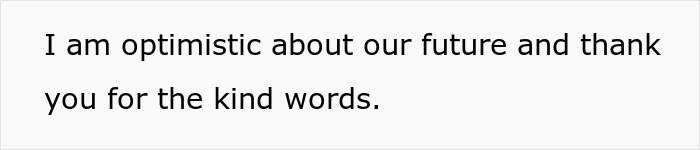
The update also gave people hope because instead of doubling down, they started taking practical steps. Therapy. Psychiatric support. Religious guidance from someone calm and grounded. Those are the kinds of interventions that can actually stabilize situations before they become destructive.
And there’s another reason this story spread online: people are fascinated by sudden personality changes in relationships.
One partner wakes up one day obsessed with cryptocurrency. Another joins an extreme political movement. Someone else falls deep into conspiracy theories, wellness cults, or hyper-religious content. The internet has made identity shifts happen faster than ever before. Algorithms can completely reshape someone’s worldview in weeks if they’re emotionally vulnerable enough.
That’s terrifying for partners watching it happen in real time.
One day everything feels normal. The next day your spouse is speaking differently, acting differently, making threats, or demanding huge life changes immediately.
That emotional whiplash is what makes stories like this so gripping.
At its core, this wasn’t really about Islam versus Christianity or atheism. It was about fear taking over a relationship. Fear of hell. Fear of abandonment. Fear of losing identity. Fear of divorce. Fear of saying the wrong thing.
And in the middle of all that panic, the husband made one healthy decision that probably saved the relationship from immediate collapse: he refused to fake belief just to stop the conflict.
That honesty may have created tension in the short term, but fake conversions built on fear rarely end well for anyone involved.
For now, at least, it sounds like they stopped fighting long enough to actually get help.