They Called Me “Characterless” at 13… Now I’ve Cut Them Off
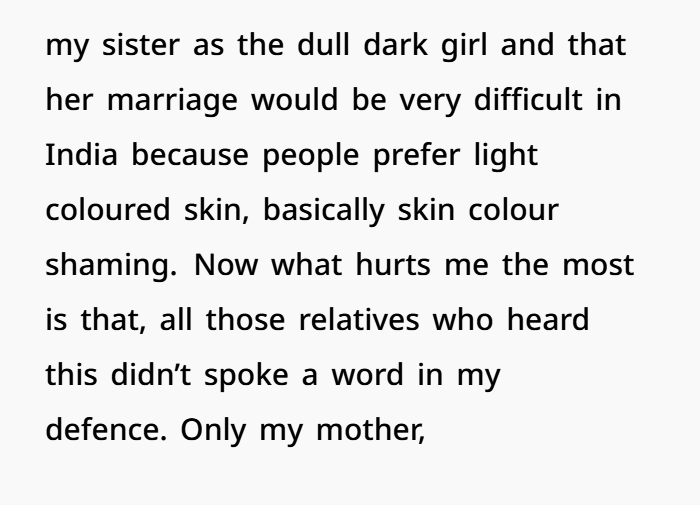
This isn’t just about gossip… it’s about betrayal that cuts deep because it came from people who were supposed to love and protect you. At just 12–13 years old, the OP was labeled “characterless” by two female relatives who twisted his natural comfort around women into something ugly and inappropriate. That rumor spread quietly through the family, shaping how people saw him… while he had no idea it was even happening. Years later, when the truth came out, the real pain wasn’t just the accusation—it was the silence. Most relatives said nothing. No defense, no confrontation, just passive acceptance. Only a few stood up for him, including his mother and late grandfather, whose absence now feels even heavier. What’s left is a mix of love, anger, and distance… choosing emotional boundaries over forced family ties.
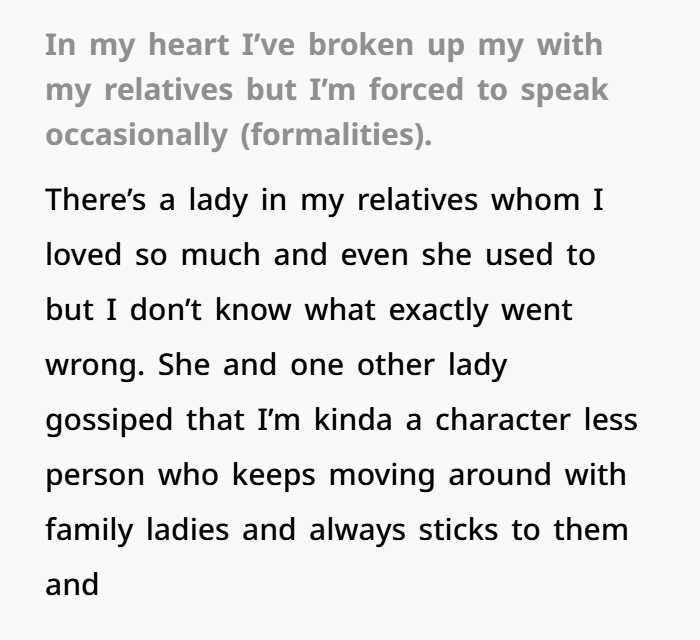
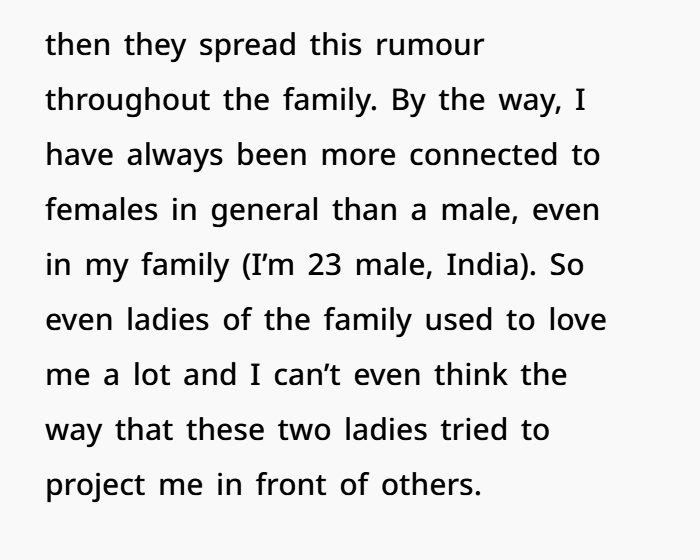
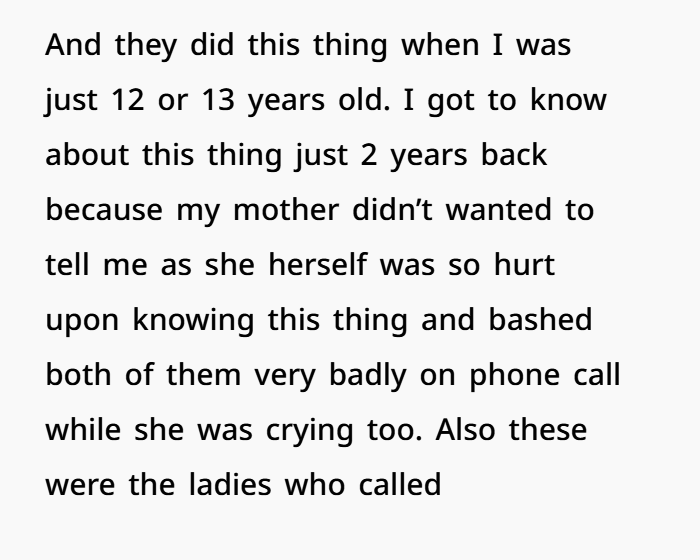
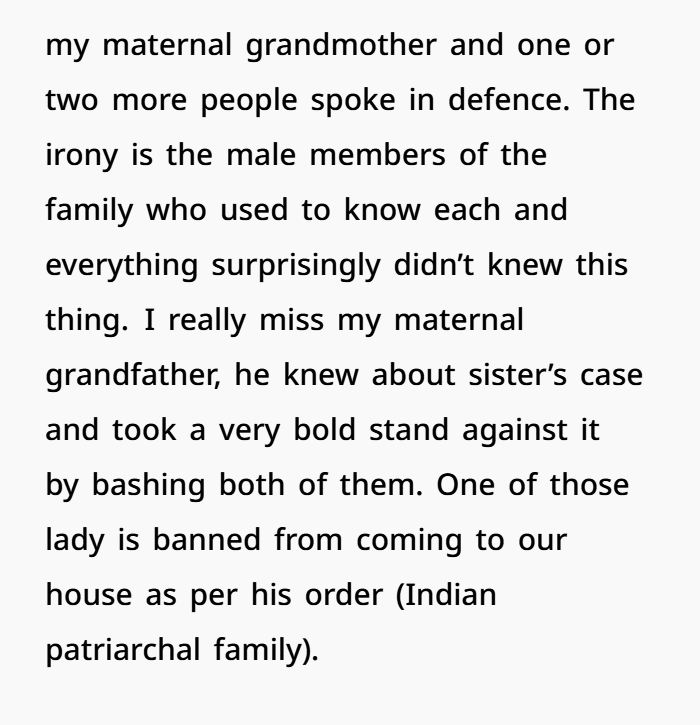

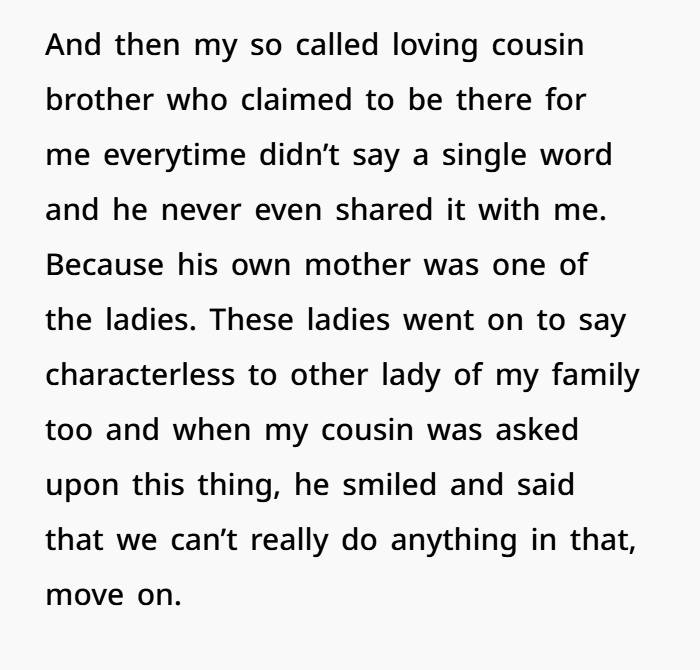
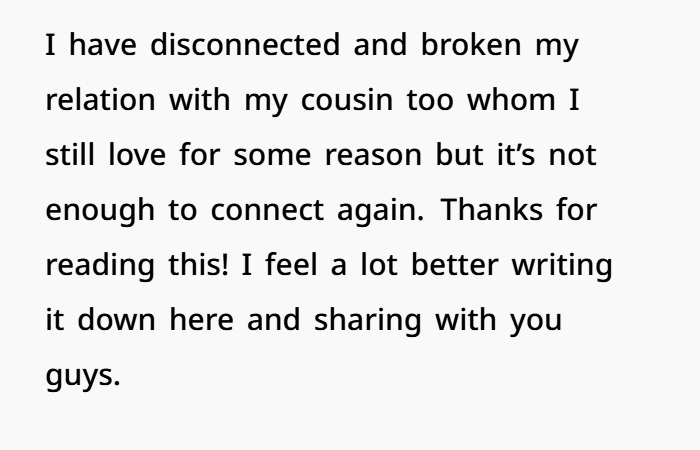
What you went through isn’t small. People sometimes brush off “family gossip” like it’s normal… but this wasn’t harmless talk. This was character assassination, especially damaging because it happened when you were a kid. You were 12 or 13. That’s an age where identity is still forming, where trust in family is supposed to feel safe. Instead, something ugly was being built behind your back.
Let’s break this down properly, because there are layers here—psychological, cultural, and emotional.
1. The Damage of Labels at a Young Age
Being called “characterless” in a South Asian context, especially in India, carries heavy weight. It’s not just a casual insult. It’s tied to morality, respect, and social image. In many families, reputation is everything.
Now imagine that label being attached to a child.
Research in developmental psychology shows that negative labeling during adolescence can deeply affect self-perception, even if the person isn’t aware of it at the time. It shapes how others treat you, which in turn subtly shapes how you see yourself.
Even though you didn’t know back then, the environment around you might have already shifted:
- People being slightly distant
- Watching you more closely
- Interpreting your actions differently
That kind of silent judgment creates what psychologists call “social stigma conditioning”.
And the worst part? You didn’t even get a chance to defend yourself.
2. Gender Dynamics and Misinterpretation
You mentioned something important—you’ve always connected more with women than men. That’s not abnormal. Personality traits, emotional openness, and comfort levels vary from person to person.
But in traditional settings, especially in conservative Indian families, this can be misunderstood.
There’s often this rigid expectation:
- Boys should behave a certain way
- Interactions with women should be “limited” or formal
- Emotional closeness gets misread as something inappropriate
So what happened here?
Your natural personality was misinterpreted through a biased lens.
Instead of seeing:
“A boy who feels comfortable and safe around female family members”
They twisted it into:
“Something suspicious or wrong”
That says more about their mindset than your behavior.
3. Gossip as a Control Mechanism
Family gossip isn’t always random. Sometimes it’s about control, insecurity, or jealousy.
People spread narratives to:
- Feel powerful
- Shift attention away from themselves
- Reinforce their own moral superiority
In your case, these same women:
- Called your sister “dull and dark”
- Questioned her marriage prospects
That’s a pattern.
This isn’t just gossip. It’s toxic judgment behavior, often rooted in internalized biases like colorism and moral policing.
Studies on family systems show that in toxic environments, certain individuals take on roles like:
- The critic
- The gossip spreader
- The image controller
These roles help them maintain influence within the family hierarchy.
4. The Silence That Hurt More
You said something that really stands out—the silence of others hurt more than the rumor itself.
And that makes sense.
Because when people stay quiet in the face of wrong, it feels like agreement.
In psychology, this is known as the “bystander effect”. People don’t step in because:
- They don’t want conflict
- They think it’s not their place
- They want to maintain relationships
But for the person being targeted, it feels like betrayal.
Especially when it’s family.
You weren’t just hurt by two people… you were hurt by a system that allowed it.
5. Your Grandfather’s Role
Your emotional connection to your maternal grandfather is very telling.
You described him as:
- Patriarchal
- Conservative
- Short-tempered
But also:
- Protective
- Just
- Willing to take a stand
That’s important.
Because it shows that even within traditional systems, there are people who choose fairness over bias.
He stood up for your sister. You believe he would’ve stood up for you too.
What you’re grieving isn’t just him… it’s the sense of safety he represented.
That “someone has my back no matter what” feeling.
And losing that hits hard.
6. Your Cousin’s Response
This part is tricky emotionally.
Your cousin:
- Knew what happened
- Didn’t defend you
- Minimized it when asked
Why?
Because his own mother was involved.
This creates a loyalty conflict.
In family psychology, this is called “split loyalty”—when someone feels forced to choose between truth and family allegiance.
He chose his mother.
That doesn’t make it right. But it explains the behavior.
Still, your hurt is valid.
Because from your side, it feels like:
“He chose silence over me.”
And that breaks trust.
7. Cutting Off Emotionally vs Physically
You said something very real—you’ve “broken up” with your relatives emotionally but still maintain formal contact.
That’s actually a common coping strategy.
It’s called “emotional distancing”:
- You protect your inner world
- But maintain surface-level interactions for practicality
Especially in Indian families, where fully cutting off isn’t always possible due to:
- Social expectations
- Cultural pressure
- Family gatherings
So what you’re doing isn’t wrong.
It’s a boundary.
And boundaries aren’t disrespect. They’re self-protection.
8. Why You Still Feel Love
You mentioned you still love your cousin despite everything.
That’s normal.
Emotions aren’t binary. You can feel:
- Love
- Hurt
- Anger
- Nostalgia
All at the same time.
Relationships don’t switch off like a button.
But love alone isn’t enough to maintain a connection.
Trust and respect matter too.
9. Healing from This
What you’re dealing with falls under emotional trauma from family betrayal.
Healing doesn’t mean forgetting. It means:
- Accepting what happened
- Understanding it wasn’t your fault
- Rebuilding your sense of self outside their narrative
Things that actually help:
- Talking it out (like you just did)
- Writing (this post itself is part of healing)
- Building relationships where you feel respected
- Therapy, if accessible (keywords: family trauma therapy, emotional abuse recovery)
10. The Core Truth
Let’s make one thing very clear.
You were a child.
You did nothing wrong.
Your personality was misunderstood and twisted by people with flawed thinking.
And the family system failed to correct it.
That’s the truth.
What you’re feeling right now—distance, sadness, even anger—it all makes sense.
You didn’t just lose trust in a few people.
You lost trust in what “family” was supposed to mean.
And that takes time to rebuild.
But here’s the good part…
You’re aware. You’re reflecting. You’re setting boundaries.
That’s how cycles break.
And that’s how you make sure this kind of thing doesn’t define you moving forward.