My Husband Asked for an Open Marriage… Then Served Me Divorce Papers Out of Nowhere
This story is messy, emotional, and honestly pretty human. A young couple in their mid-20s got married and then almost immediately faced trauma after a miscarriage. Not long after that, the husband asked for an open relationship. Not because he wanted another partner, but because he wanted to explore a control kink and pushed his wife to sleep with other men. She resisted at first and tried suggesting couples therapy, marriage counseling, and individual therapy. Eventually she agreed, hoping it would somehow save the relationship. Months later the relationship closed and things seemed to improve—dates, intimacy, normal married life again. Then suddenly divorce papers appeared, asking for full custody of their daughter. It looked like betrayal. But the twist? The husband didn’t actually start the divorce. His very religious mother filed it after misunderstanding the situation and reacting strongly to the idea of an open marriage. Now the couple still cares about each other and wants to reconcile, but they’re stuck between family pressure, past mistakes, and the question many couples face: can a marriage recover after this much chaos?
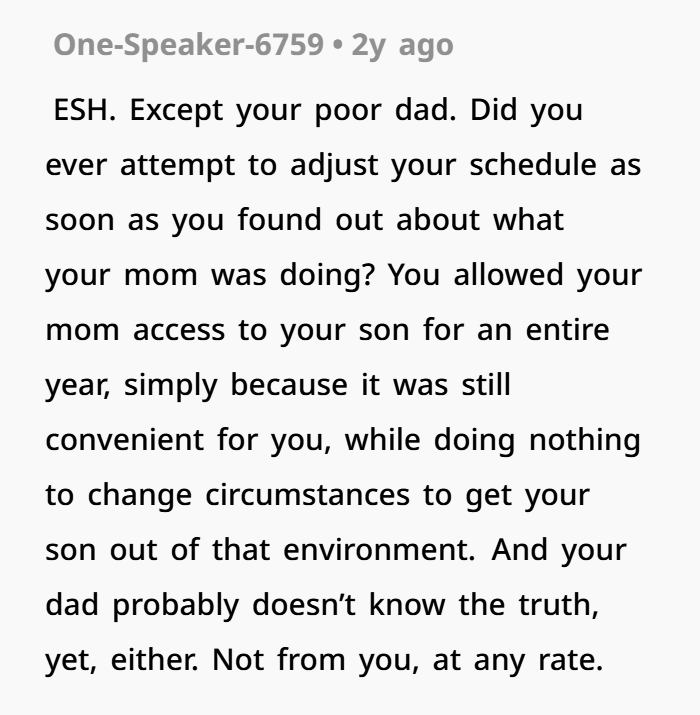
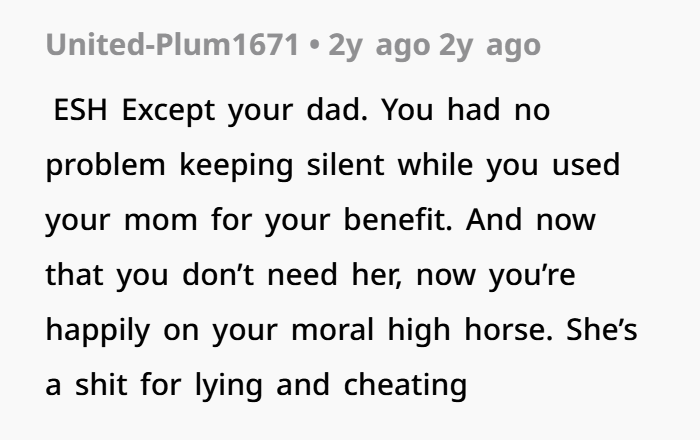
When people search online about saving a marriage after separation, open relationship problems, or how to reconcile before divorce, they usually imagine cheating scandals or constant fighting. But this situation is more complicated than that. It mixes trauma, sexual boundaries, family interference, and legal confusion all into one relationship crisis.
Let’s break down what’s really going on here.
1. Trauma Often Changes Relationship Dynamics
The timeline matters a lot here.
A miscarriage is not just a medical event. Research published in The Journal of Women’s Health shows couples often experience intense grief, guilt, and emotional distance after pregnancy loss. Some partners react with sadness. Others with avoidance, anger, or risky behavior.
The husband asking for an open relationship shortly after the miscarriage may actually be tied to unresolved grief or emotional confusion. It doesn’t excuse the behavior, but it explains why relationships sometimes spiral after trauma.
Couples therapists frequently see three common reactions after pregnancy loss:
- Emotional withdrawal
- Risky coping behaviors (alcohol, impulsive decisions)
- Sudden changes in sexual dynamics
And all three appeared here: heavy drinking, pushing sexual boundaries, and relationship instability.
2. Open Relationships Require Consent — Not Pressure
Another big issue is the way the open relationship happened.
Healthy ethical non-monogamy works only under strict conditions:
- both partners freely agree
- clear boundaries exist
- no pressure or coercion
- constant communication
In this case, the husband ordered his wife to sleep with other men as part of a control kink. That crosses into what many therapists consider coercive sexual dynamics, not consensual open marriage.
Clinical psychologist Dr. Elisabeth Sheff, who studies polyamory and open relationships, notes that successful open relationships usually involve more communication than monogamous ones. When someone is pushed into it, the relationship often breaks down fast.
So the damage here wasn’t just the open relationship itself. It was the power imbalance.
3. Alcohol and Conflict Escalate Everything
During this period the husband also started drinking heavily. Alcohol abuse is strongly linked to marital conflict.
A study from the Journal of Studies on Alcohol and Drugs found couples dealing with heavy drinking report:
- higher rates of verbal fights
- emotional distancing
- temporary separations
That matches what happened here. The wife sometimes stayed with friends to avoid drunken fights. Those small separations often create misunderstandings and resentment over time.
The good news though? He stopped drinking and they worked on the relationship. That’s actually a strong indicator reconciliation can be possible.
4. When Family Interferes in Marriage
One of the most surprising parts of this story is the role of the mother-in-law.
Family interference in marriage is far more common than people realize. In fact, a study from the University of Michigan found that in-law conflict increases divorce risk by nearly 20% in some couples.
And when religious values clash with lifestyle choices, the pressure becomes even stronger.
Here, the mother-in-law already had negative opinions about the wife—criticizing her background in foster care, her gothic style, tattoos, piercings, and alternative interests. That created a foundation of distrust long before the open relationship situation appeared.
When she learned about it, she reacted drastically and filed divorce paperwork.
From her perspective she may have believed she was protecting her son or grandchild. But legally and emotionally, it created chaos.
5. Miscommunication Made the Situation Worse
One of the biggest relationship killers isn’t cheating.
It’s assumptions.
The husband assumed his wife filed the divorce paperwork when he received documents about overdue benefits. Instead of asking her or even reading them fully, he reacted emotionally.
This kind of misunderstanding is incredibly common during stressful periods.
Relationship researchers often call it negative attribution bias—when someone assumes their partner has bad intentions.
Instead of thinking “maybe there’s another explanation,” the brain jumps to “they betrayed me.”
Once that assumption sets in, people react defensively.
6. Reconciliation Before Divorce Is Actually Common
Believe it or not, many couples reconcile even after divorce papers are filed.
Family law attorneys report that a significant number of cases stop before final judgment because couples choose marriage counseling before divorce.
Some states even require mediation or counseling sessions before custody cases move forward.
The key difference between couples who reconcile and those who don’t usually comes down to three factors:
- Mutual willingness to repair trust
- Clear boundaries with extended family
- Professional counseling
Without those, the same problems repeat.
7. The Mother vs Wife Dynamic
Right now the husband seems stuck in what therapists call family loyalty conflict.
He’s choosing between:
- his wife
- his mother’s approval
Psychologists say this situation often appears in marriages where one partner still relies emotionally on their parents.
Healthy marriages require shifting primary loyalty from parents to spouse. That doesn’t mean abandoning family. It means setting boundaries.
If the husband can’t do that, reconciliation becomes very difficult.
8. The Wife’s Efforts to Reconcile
The wife has already taken several steps trying to rebuild trust:
- visiting him during work breaks
- calling daily
- covering tattoos around family
- removing piercings
- attending church again
These actions show effort, but they also raise an important concern.
Relationship experts warn against over-compensating for acceptance. When one partner changes too much of themselves to satisfy external pressure, resentment can grow later.
Healthy reconciliation usually involves mutual effort, not just one person adapting.
9. What Experts Usually Recommend Next
When couples are in this stage—still talking but separated—the most effective next steps tend to be:
1. Professional marriage counseling
A neutral therapist can help address:
- the open relationship trauma
- communication breakdowns
- grief from miscarriage
- family boundaries
2. Temporary boundaries with extended family
For reconciliation to work, the couple usually needs space from outside influence while they rebuild trust.
3. Honest conversation about the past
Avoiding the open relationship issue won’t fix it. Both partners need to discuss what happened and what boundaries will exist moving forward.
4. Legal clarity
Even if reconciliation happens, it’s important to understand the divorce paperwork and custody claims.
10. The Real Question Moving Forward
At the heart of this story isn’t just the open relationship.
It’s this:
Can the husband choose his marriage over his mother’s expectations?
Because reconciliation isn’t only about love. It’s about independence, boundaries, and trust.
If both partners truly want to fix things, there’s still a path forward. Many marriages survive worse situations.
But it requires both of them to actively fight for the relationship—not just quietly hope things improve.