I Told My Dad I Was Uncomfortable… He Took My Door Off and Had His 22-Year-Old Girlfriend Attack Me
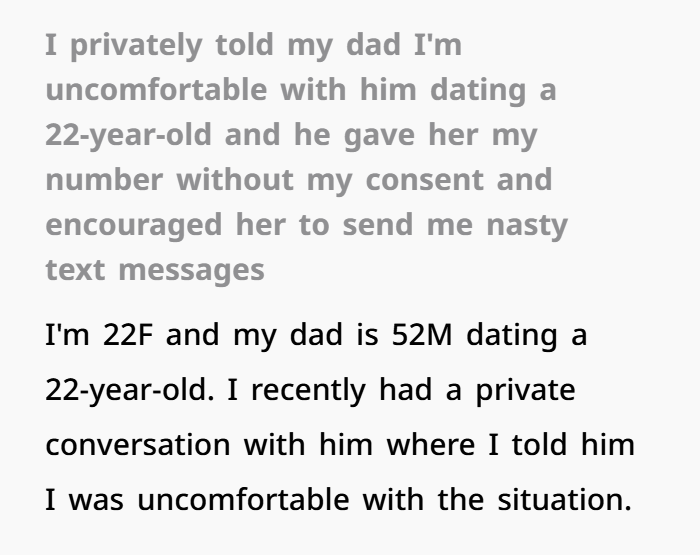
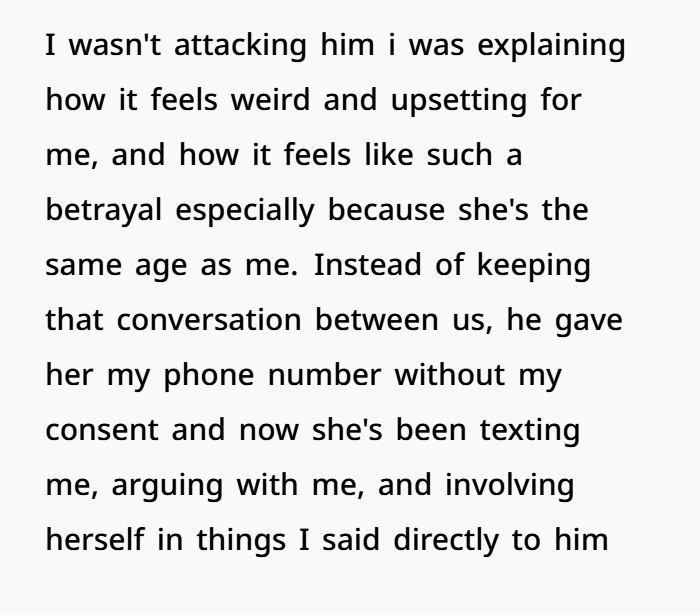
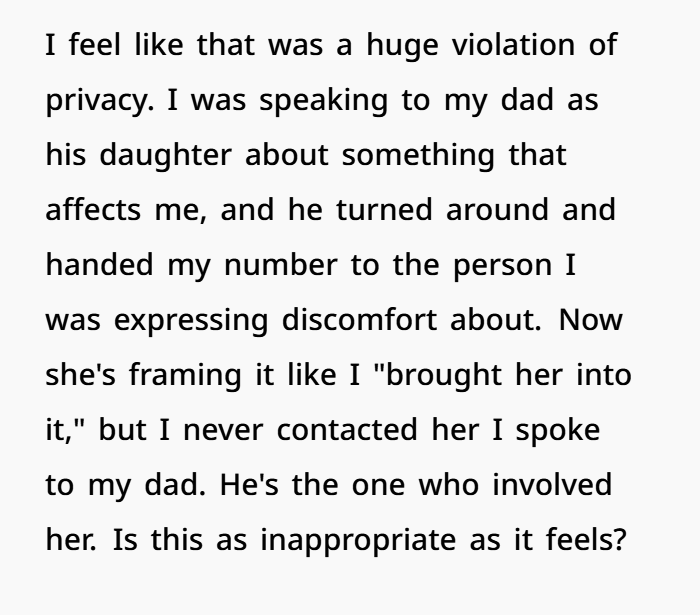
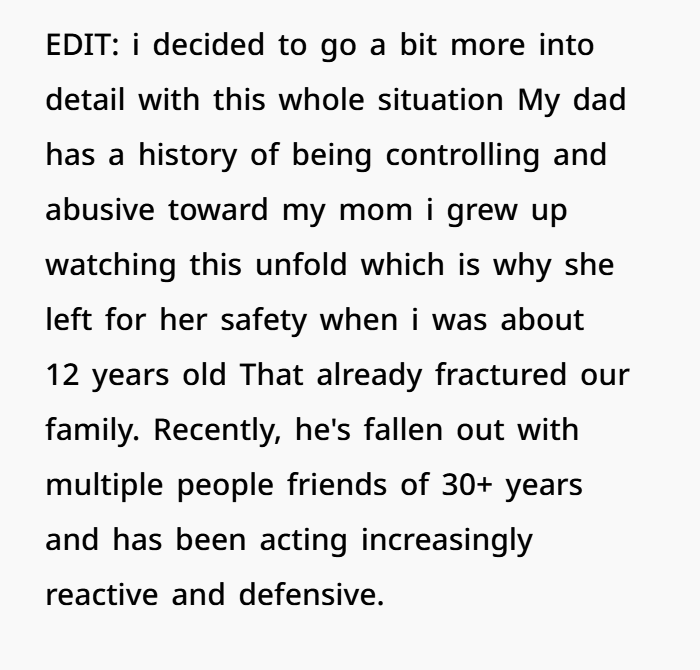
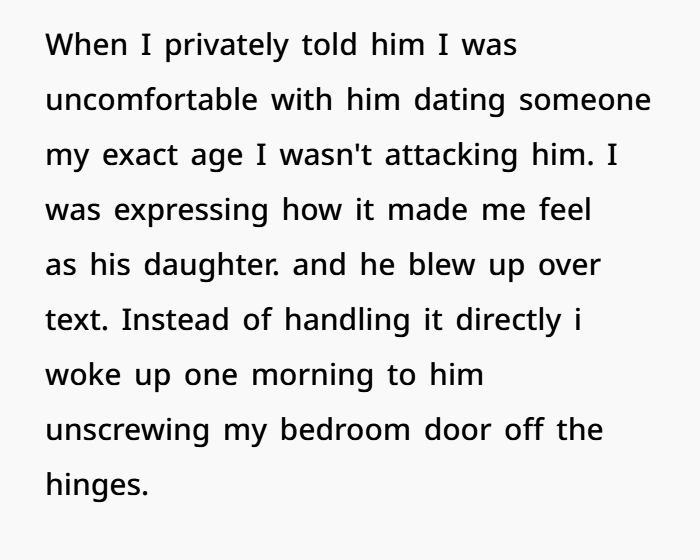
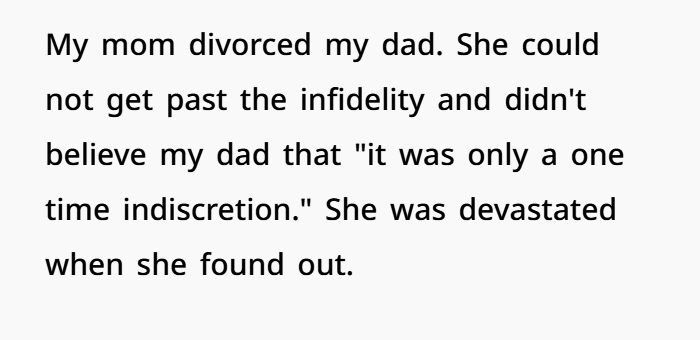
I’m 22. My dad is 52. He’s dating someone who is also 22. The same age as me. I tried to handle it like an adult. I didn’t scream. I didn’t insult him. I told him privately that it made me uncomfortable. That it felt weird and honestly kind of hurtful as his daughter. I thought I was having a conversation about boundaries and feelings. Instead, he gave her my phone number without my consent and encouraged her to text me. She started sending nasty, degrading messages. About my body. About my mom. About how I’m “disrespectful.” Meanwhile, he was in the kitchen laughing and hyping her up on speakerphone.
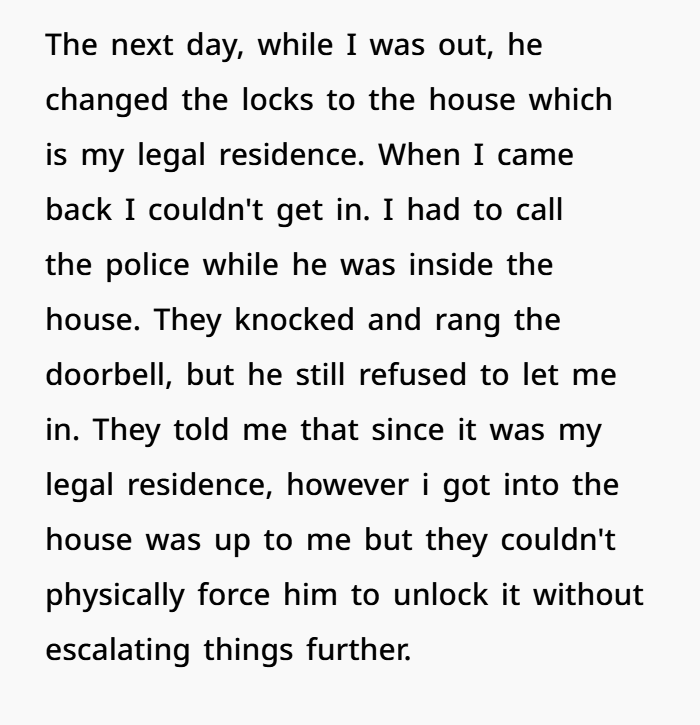
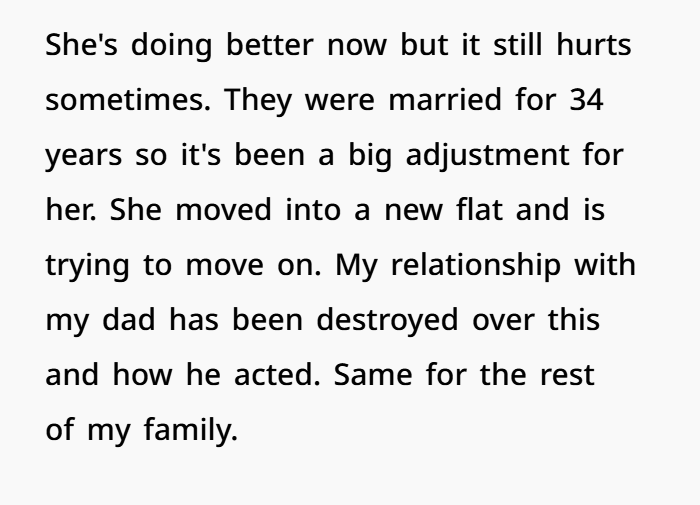
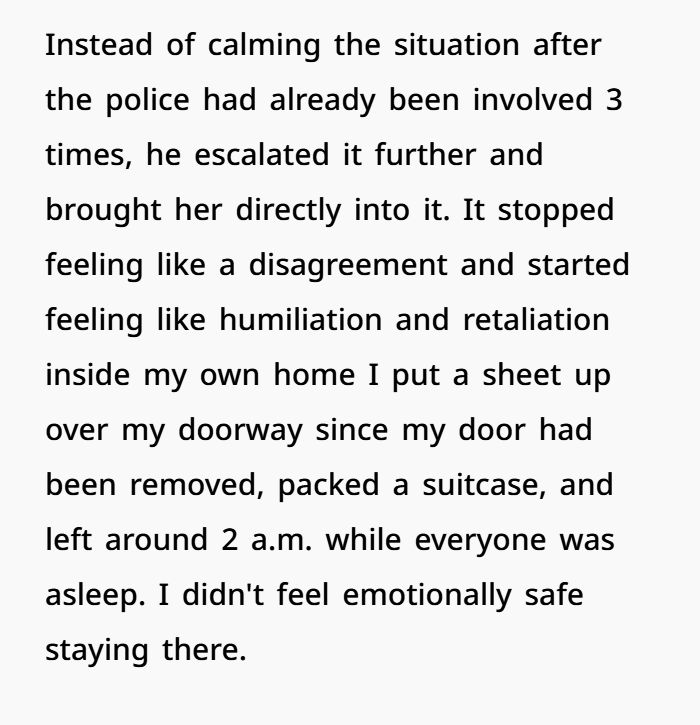
It didn’t stop there. He unscrewed my bedroom door off the hinges. The next day, he changed the locks on the house — which is my legal residence — and refused to let me in. I had to call the police three separate times just to access my own home. They told me they couldn’t physically force him to unlock it without escalating things, even though I legally live there. When I finally got inside, he escalated it further. That’s when I realized this wasn’t just a disagreement. It was humiliation. Retaliation. I left at 2 a.m. with a suitcase and a sheet over my doorway because my door was gone. I’m not going back.
When “Family Conflict” Crosses Into Abuse, Harassment, and Illegal Lockouts
First — yes. It is as inappropriate as it feels. Actually, it’s worse.
Let’s break this down calmly, because when you’re in the middle of something like this it feels chaotic and surreal. But legally and psychologically, there are very clear lines here.
1. Giving Out Your Number Without Consent
Your dad shared your private contact information with someone you were in conflict with. That alone is a breach of trust. It’s not just “petty.” It’s triangulation.
Triangulation is a manipulation tactic where someone pulls a third party into a private conflict to deflect responsibility or create pressure. Instead of handling your feelings directly, he outsourced the confrontation to his girlfriend. That shifts blame and puts you in a defensive position.
It also creates harassment. Once she began sending degrading messages, especially comments about your body and your mom, that crosses into documented harassment territory. In many states, repeated unwanted communication intended to distress someone can qualify as harassment. If messages are threatening or obscene, it can escalate further.
Keep screenshots. Every single one.
2. Removing Your Bedroom Door
Unscrewing your bedroom door after a disagreement is not “strict parenting.” It’s intimidation.
Privacy removal is a common control tactic in abusive households. It sends a message: You don’t get autonomy. You don’t get boundaries.
At 22 years old, that’s not discipline. That’s coercive control behavior. The fact that it happened immediately after you expressed discomfort suggests retaliation.
3. Changing the Locks on a Legal Resident
This is where it gets serious legally.
If that house is your legal residence — meaning you receive mail there, keep belongings there, and have established residency — he cannot just change the locks and deny you entry without following formal eviction procedures. In most states, that’s considered an illegal lockout.
Landlord-tenant law applies even when the “landlord” is a parent. If someone lives somewhere legally, you cannot remove them without due process.
Police often avoid forcing entry in family disputes because they don’t want to escalate, but that doesn’t mean what he did was legal. It just means they chose not to physically intervene.
An illegal lockout can be grounds for civil action in many jurisdictions.
4. Public Humiliation and Incitement
Putting his girlfriend on speaker phone, yelling, encouraging her to text you degrading comments while laughing — that’s humiliation as a tactic.
This is group intimidation. It’s meant to isolate you emotionally and overwhelm you. It also flips the narrative so that you become the aggressor in their version of events.
Notice the pattern:
- You express discomfort.
- He escalates.
- He frames you as attacking him.
- He recruits an ally.
- They position themselves as “defending.”
That’s classic DARVO behavior:
- Deny
- Attack
- Reverse Victim and Offender
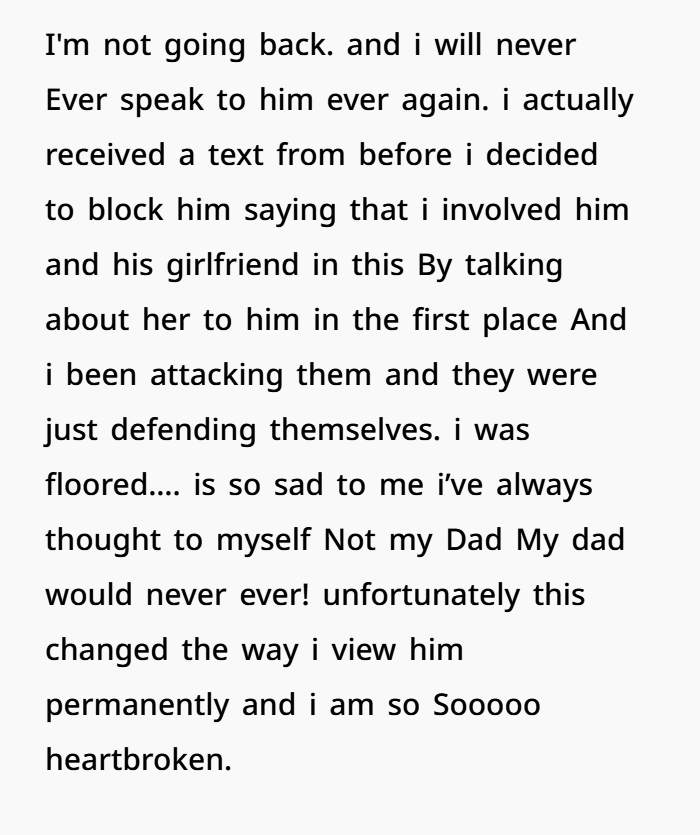
When he texted saying you “involved them” by speaking to him about her, that’s the reversal. You spoke to your father privately. He involved her.
5. The Age Dynamic
Now let’s address the uncomfortable elephant in the room.
A 52-year-old dating a 22-year-old isn’t illegal. But when that 22-year-old is the same age as his daughter, the psychological dynamic shifts.
For you, it blurs generational boundaries. It can feel like role confusion. It can feel like replacement. It can feel like emotional betrayal.
That discomfort is valid.
Also, big age-gap relationships often include power imbalance. Financial control. Emotional dependency. Especially when the older partner has a history of controlling behavior, as you described with your mom.
The fact that he’s lost long-term friendships recently and is acting increasingly reactive is another red flag. Isolation plus defensiveness plus control behaviors can signal escalation patterns.
6. Emotional Safety
You said something very important: you didn’t feel emotionally safe staying there.
That instinct matters.
Abusive environments don’t always start with physical violence. They start with humiliation. Control. Boundary violations. Retaliation for expressing feelings.
You weren’t screaming.
You weren’t threatening.
You weren’t contacting her.
You expressed discomfort.
The response was:
- Door removal
- Lock change
- Police involvement
- Coordinated harassment
- Public humiliation
That’s not proportional. That’s escalation.
7. The Grief Part
Here’s the hardest piece.
You’re not just angry. You’re heartbroken.
There’s a specific kind of grief when a parent stops being who you thought they were. When you think, “Not my dad. He would never.” And then he does.
That breaks something internal. It’s not dramatic. It’s identity-shifting.
You grew up watching him be controlling toward your mom. Part of you probably held onto the belief that he’d never turn that intensity on you.
Now he has.
That realization hurts in a deep, disorienting way.
8. Going No Contact
Saying you’ll never speak to him again isn’t impulsive when it comes after repeated escalation and humiliation.
No contact is sometimes the only way to break a control cycle.
You already took a powerful step by leaving at 2 a.m. That wasn’t weakness. That was survival instinct.
9. What To Do Practically
- Save every text message.
- Screenshot everything.
- Forward copies to a secure email.
- If harassment continues, you can explore restraining order options.
- If he attempts another lockout, consult tenant legal aid in your area.
- Consider therapy. Not because you’re broken. Because betrayal trauma is heavy.
And please hear this clearly:
You did not “bring her into it.”
You did not attack them.
You had a private conversation with your father.
He chose escalation.
And the fact that he laughed while she degraded you tells you everything you need to know.
It’s okay to be heartbroken.
It’s okay to be done.
And it’s okay to realize someone you loved isn’t safe for you anymore.